Leadership, shared across borders: Nursing Management Program 2026
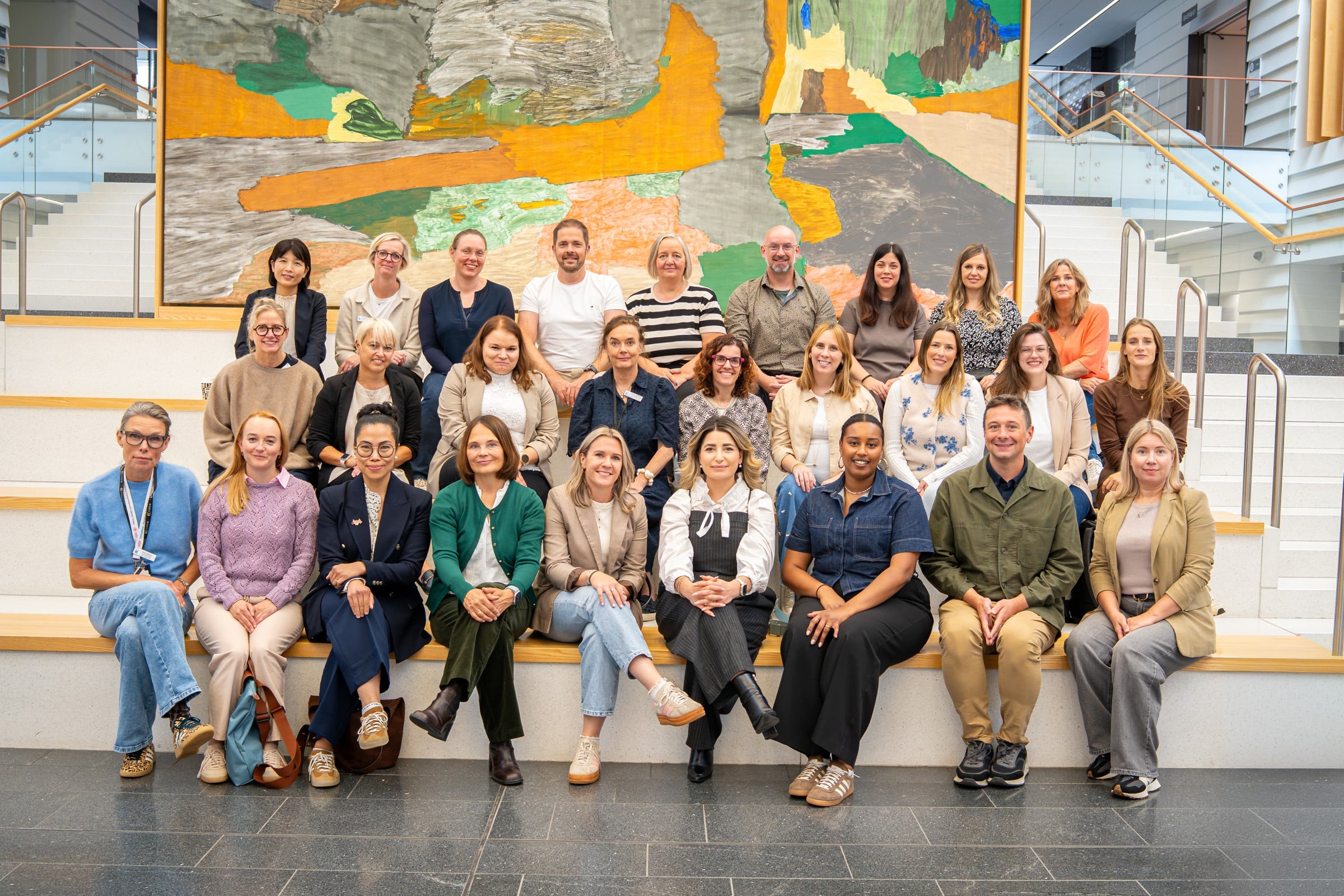
Now in its third year, the Nursing Management Program is structured around four areas: leading change in healthcare, shaping a career path in leadership, tailored job shadowing, and applying leadership in day-to-day practice, with this year's sessions placing particular weight on competence staffing, and how to build teams that hold up under real pressure. For those involved, the four days left a lasting impression, both in what they learned and in how they'll lead once they're home.
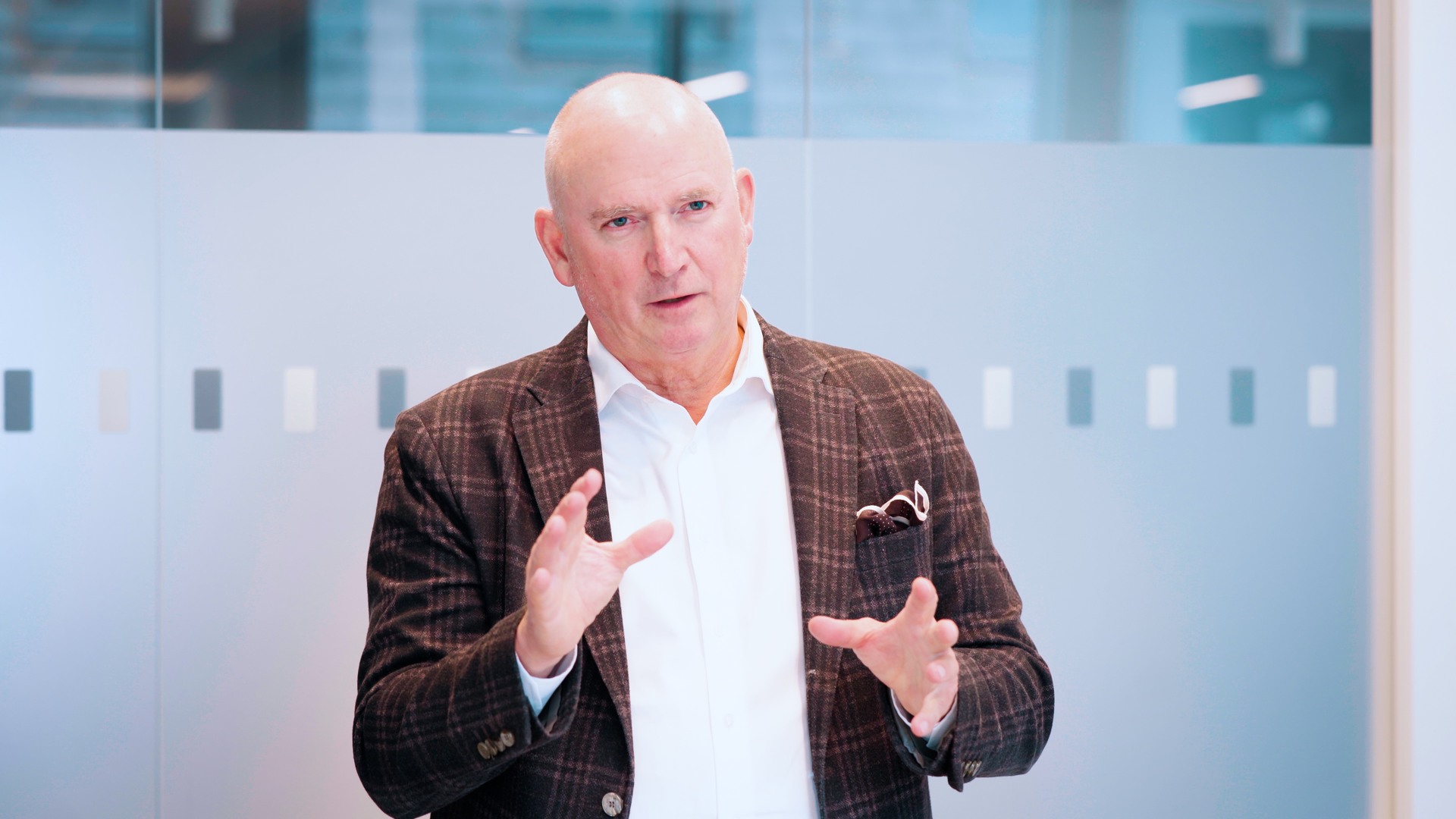
For Karolinska University Hospital's CEO, Christophe Pedroletti, that focus on staffing and change reflects something bigger than any single program.
"Healthcare in different organizations, systems, and countries is facing the same challenges and opportunities, things like staffing, complexity, and change," he says. "I believe no single country or organization has all the answers.”
“The best leaders are the ones willing to learn."
Living the vision
For Joris Daems, Head Nurse in the Emergency Department at UZ Leuven, the week's defining moment wasn't a session or a slide deck, it was something harder to plan for.
"The thing that was most special to me this week was the pride I felt, with every member of staff, from the nurses to the doctors, about being part of Karolinska," he says. "I've worked in a lot of hospitals, and a lot of people like their organization, but I'd never felt people truly living the vision, living the mission, the way I did here."
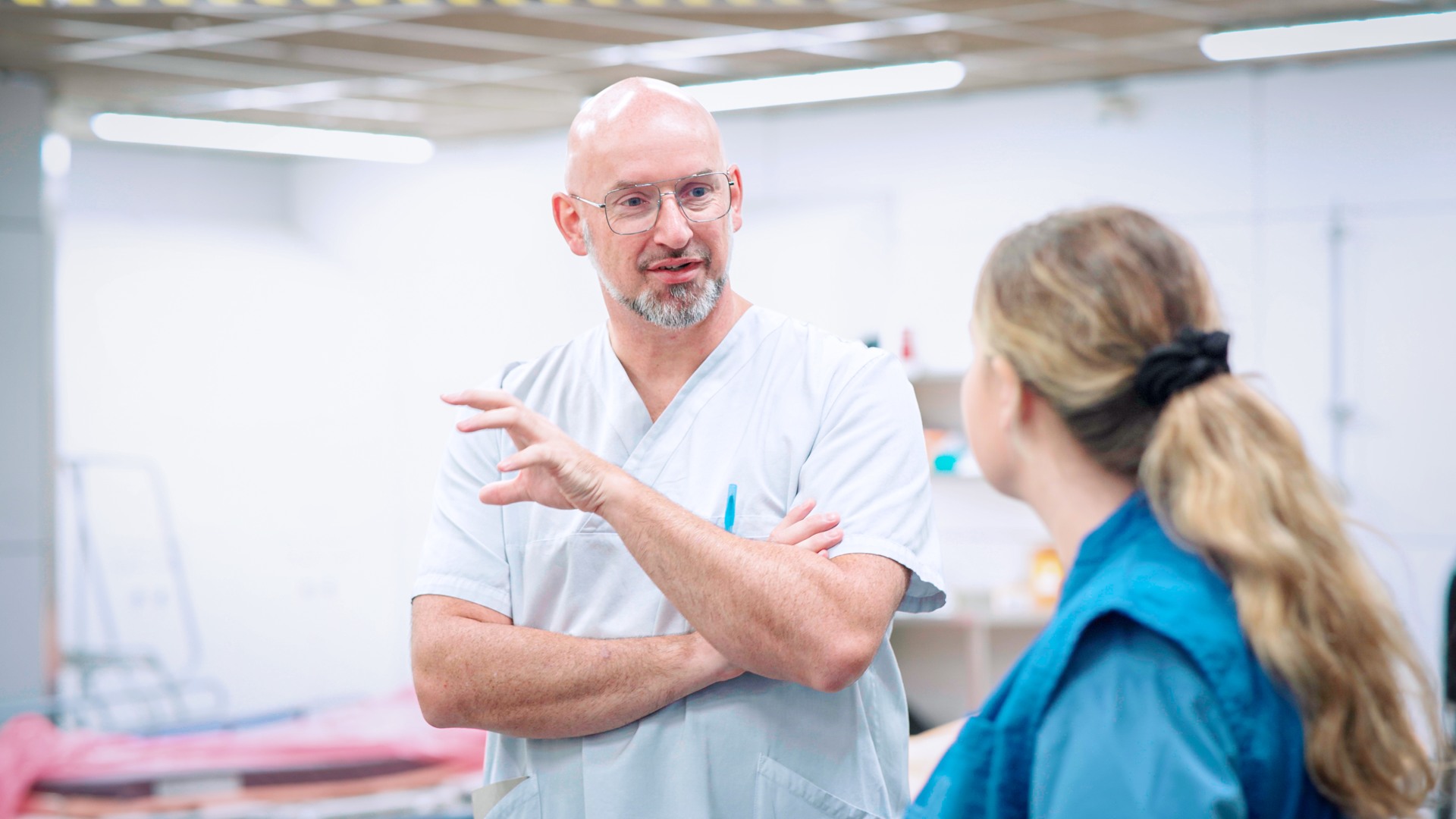
That sense of something genuinely shared runs through this year's Nursing Management Program, which brought nursing leaders from across Europe and beyond to Karolinska University Hospital for a week of leadership training, job shadowing, and, as several participants put it, learning that went both ways.
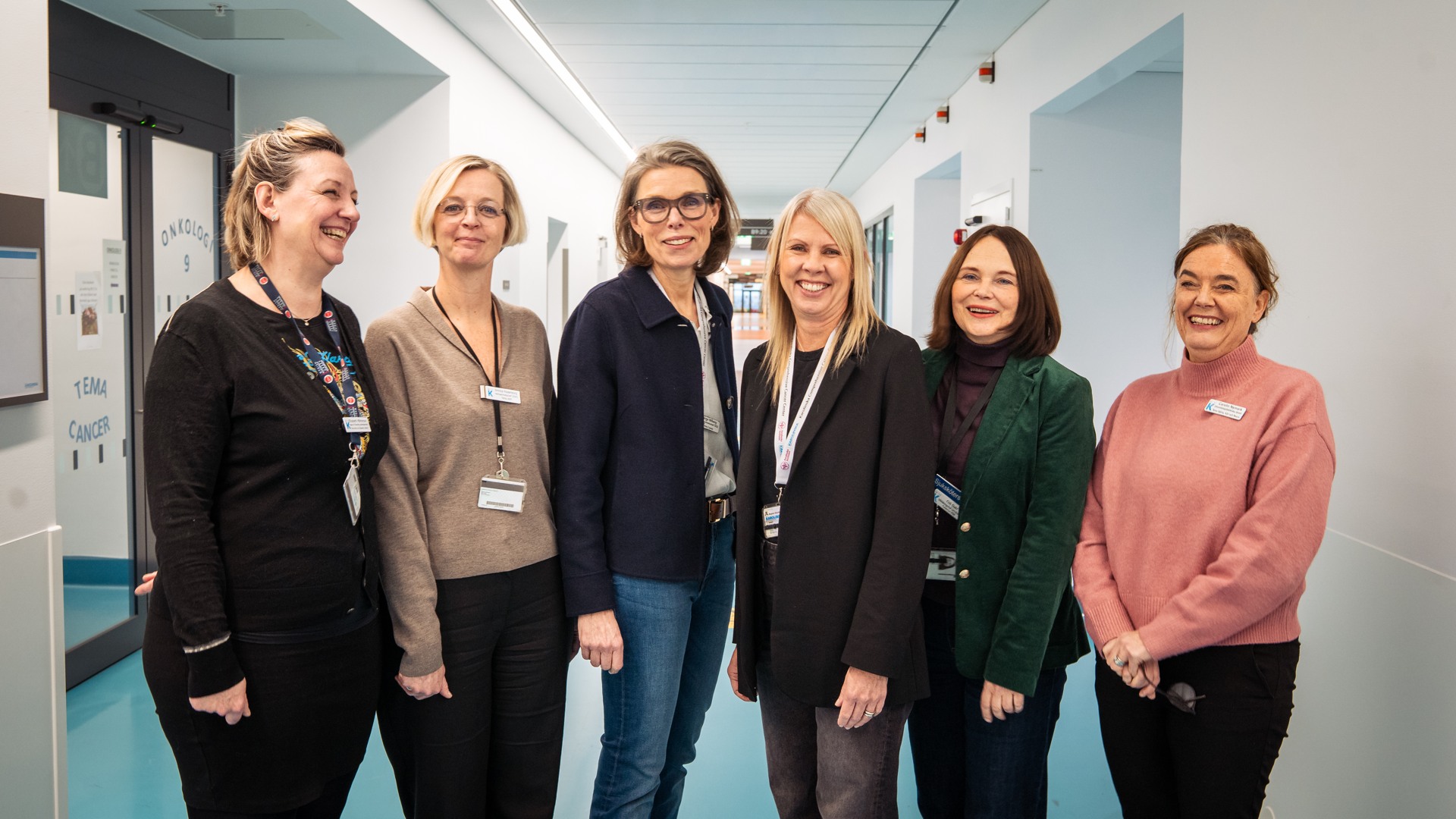
"It's been an intense, inspiring, and truly rewarding week, with participants who've shown real engagement, strong expertise, and a genuine willingness to learn from each other," says Anna Wiberg, Nursing Director at Karolinska University Hospital, who, together with the other nursing directors, helped organize the program this year.
"We feel the program has created real opportunities for both knowledge exchange and reflection, while also giving people the chance to build valuable relationships across national and organizational borders. All in all, this year's program was a great success."
Learning on the ward
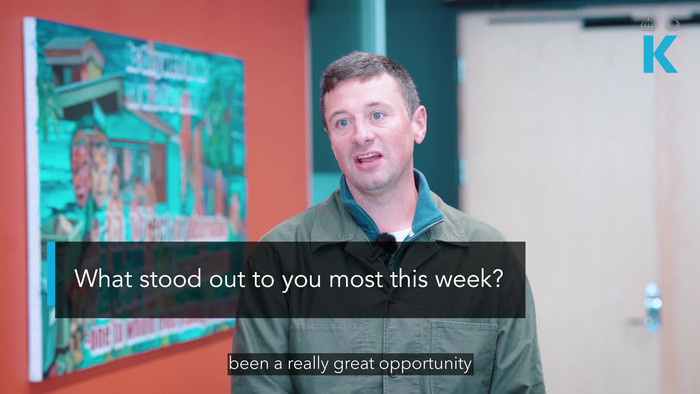
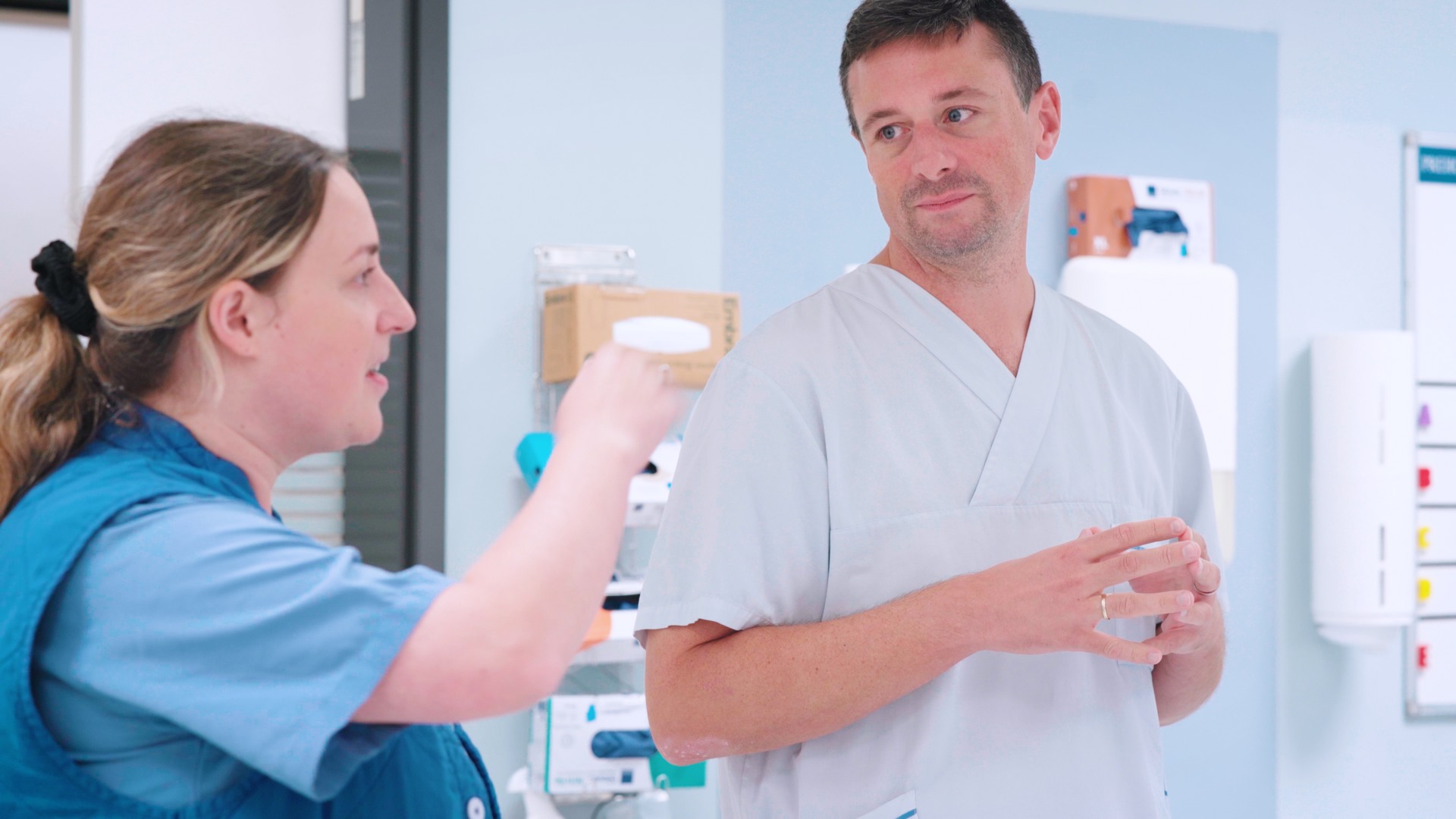
It's the job shadowing, though, that participants kept returning to. Edward Baker, Consultant Nurse for Emergency Care at King's College Hospital NHS Foundation Trust, placed in a ward closely matched to his own specialty, described it as the piece that tied everything else together.
"The job shadowing has been a great opportunity to explore the organization and understand more of the theoretical content we've discussed during the week, and seeing how it's been put into practice," he says. "Particularly being placed in an area so closely aligned with my own clinical practice back in the UK has been really, really useful."
Anna Wiberg and her colleagues point to the same thing.
"One of the highlights of the week was the chance for participants to shadow a manager out in the organization," they say.
"By matching each participant's interests with the right part of our operations, we saw so many valuable conversations unfold around leadership in practice, and it was wonderful to see how open, curious, and inclusive the group was throughout the week, and how new connections kept forming."
Trust, shared across borders
That openness is, in many ways, the point.
"A thing that has been really important is that we all do things differently, we all do things well, and that we can learn from each other," Baker reflects. "With a group of people from across Europe, seeing how they do things in their hospitals and learning from each other is kind of key to us finding the way forward."
Marta Gironès Nogué, Nurse Manager at Hospital Universitari de Girona Trueta, Institut Català de la Salut, in Spain, came to the program looking for exactly that.
"When I read about the program, I liked that it's a new way of looking at leadership, and getting to know a new way of managing in a hospital setting," she says.
What stayed with her most, though, was something less structural.
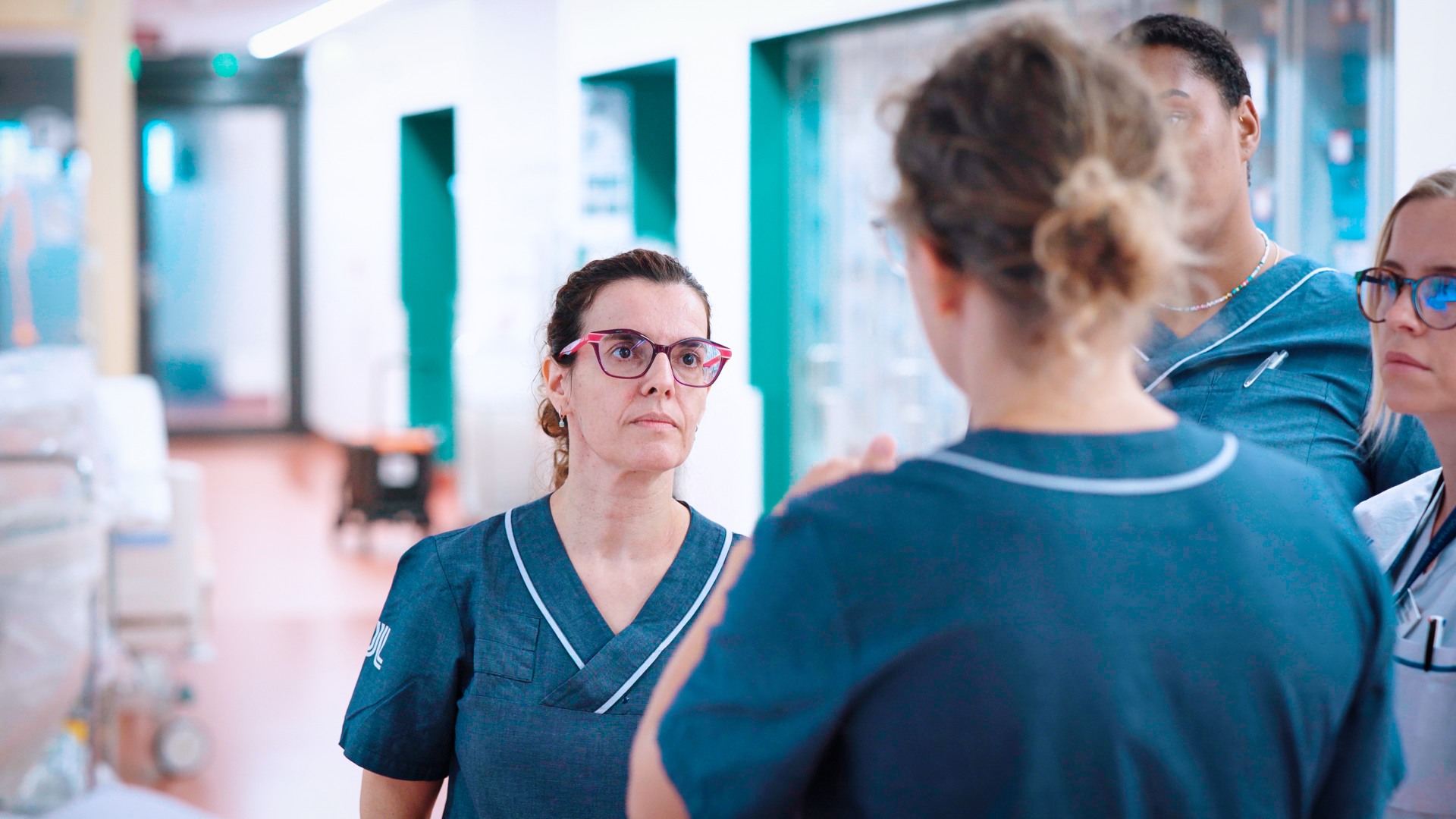
"Here at Karolinska, they trust their staff, and they make them feel important and valuable. Those are some of the things that touched me, that workers are trusted, and that creates a feeling of really being part of the organization."
For Anna Wiberg, that exchange is exactly why the program exists.
"This program gives leaders and managers the chance to share experiences, exchange ideas, and gain new perspectives on leadership, competence, and organizational development," she explains.
"Bringing together participants from different countries creates valuable networks and insights that can be put into practice back home. For Karolinska, the program is also a chance to share what we know, and to learn from others in return."
Taking it home
None of it means much until it travels home, and that's exactly what participants say they intend to do with it.
"What I definitely will take home with me are fresh ideas and different ways of thinking and doing things, which I hope to apply to my own system, and to help my people grow in my organization," Gironès Nogué says.
Anna Wiberg and her colleagues hope the same.
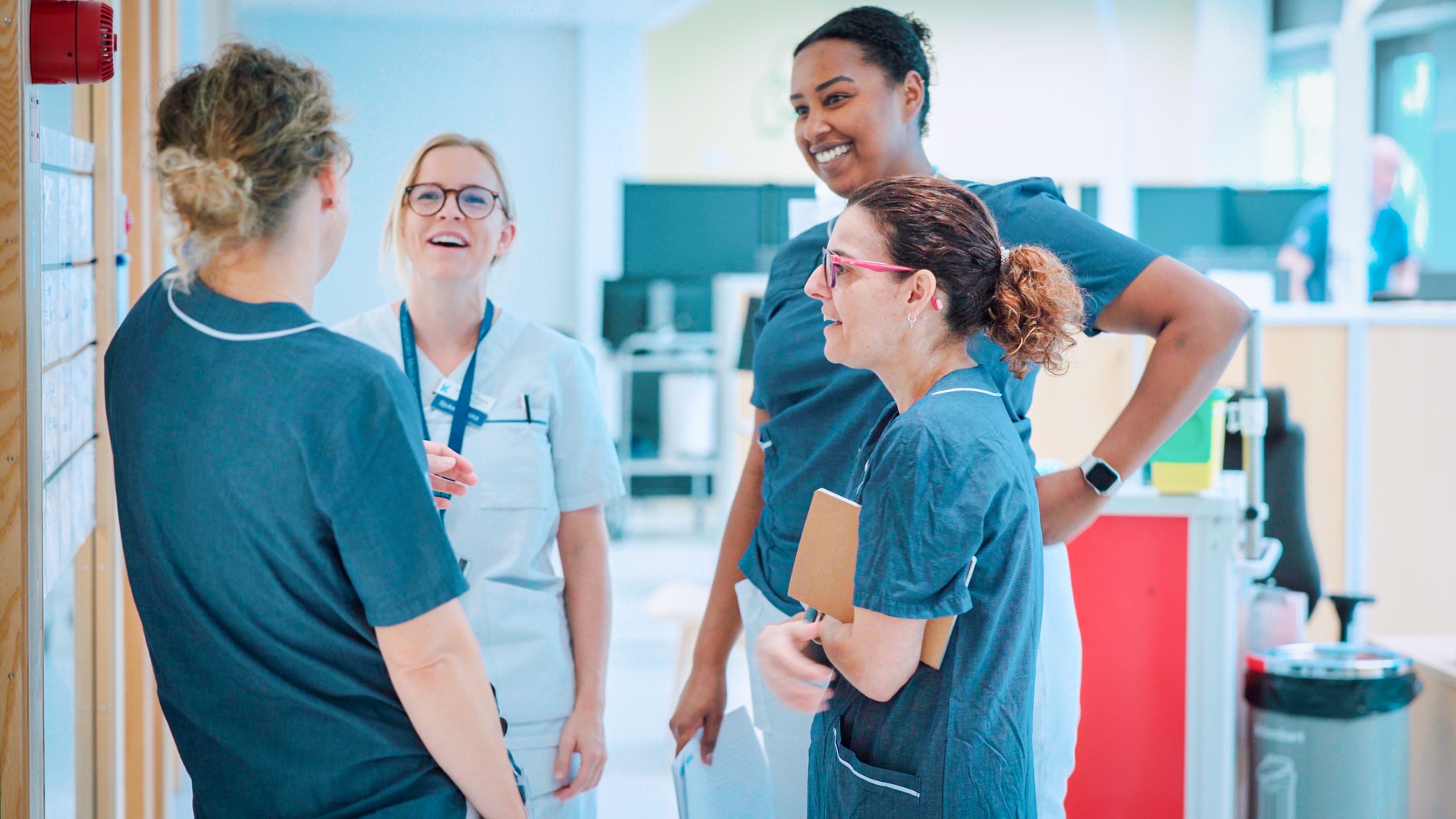
"We hope participants take with them new knowledge, inspiration, and connections that will support them in their continued leadership, and that the networks built this week keep growing," they say.
"For Karolinska, the Nursing Management Program is an important investment, one that strengthens our international collaborations and helps shape the future of nursing leadership."
Voices from the Nursing Management Program 2026