International experts gather at Karolinska to shape the sustainable hospital of tomorrow
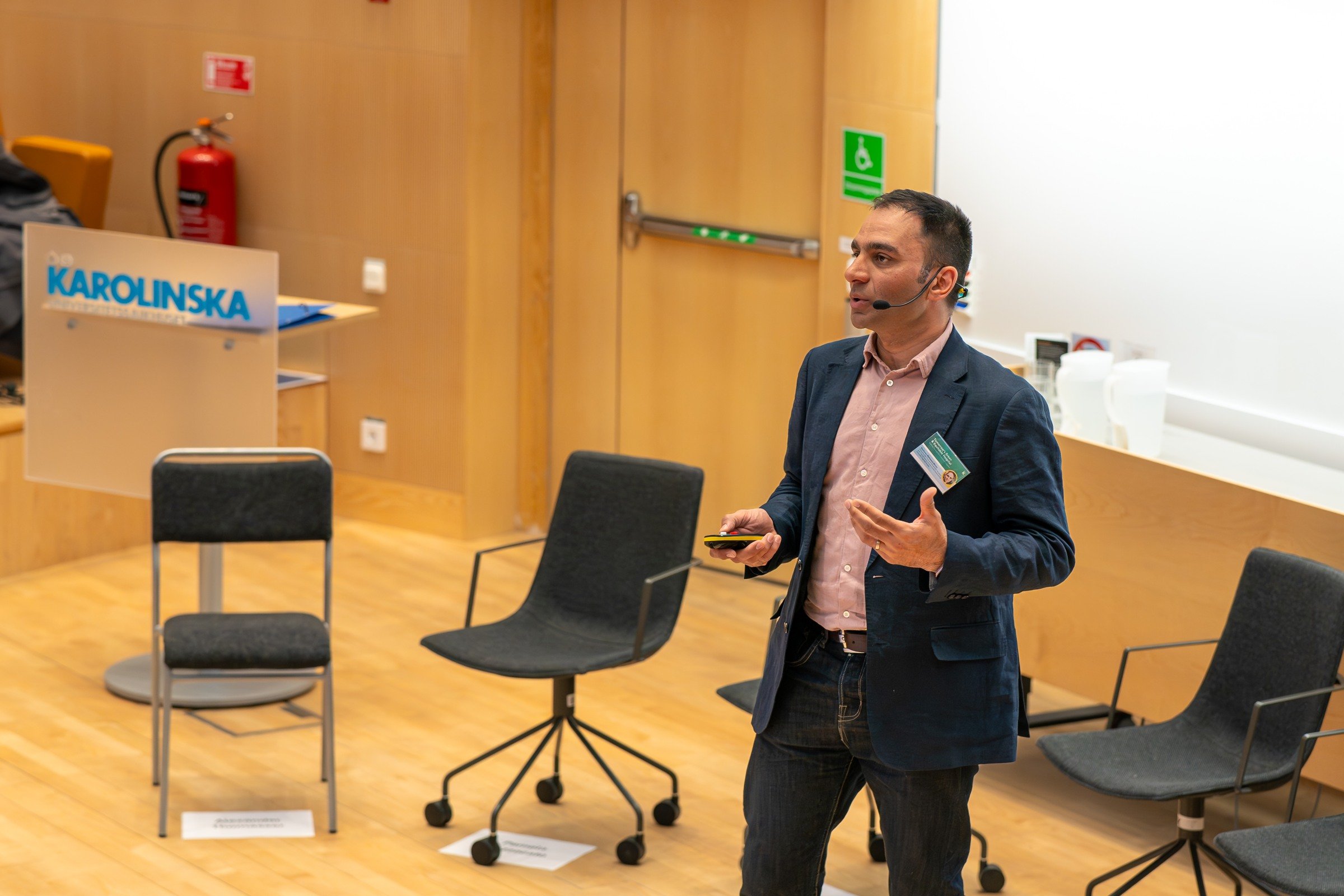
The numbers are striking. Healthcare accounts for an estimated 4.4% of global emissions. In England alone, 20 million gloves are used every single day within the NHS, a figure highlighted by Mahmood Bhutta, Professor and Consultant ENT Surgeon and Clinical Lead for Environmental Sustainability at University Hospitals Sussex, whose contributions across the day drew attention to the sheer scale of resource consumption embedded in everyday clinical practice.
"We all have the same problems, and we need to come together," one panelist noted, a sentiment that echoed throughout the day.
From strategy to practice: insights from across Europe
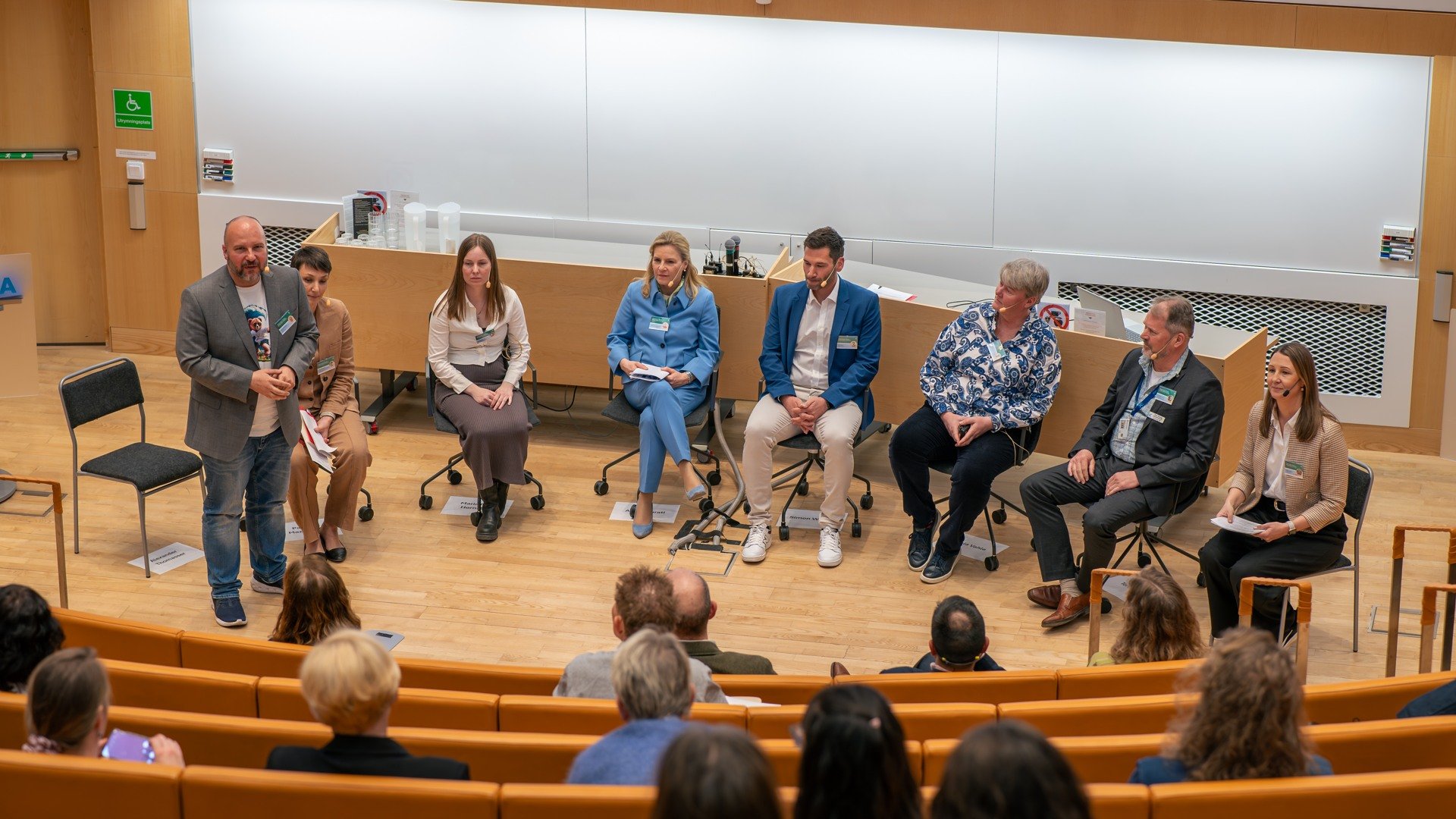
Tomorrow's Green & Equitable Hospital featured a broad range of national and international voices, reflecting a growing shared commitment to accelerating change across European healthcare systems.
Contributors included Pamela Mazzocato (Karolinska Institutet / Södertälje Hospital), Astrid Lurati (Charité – Universitätsmedizin Berlin), Nicole GM Hunfeld (Erasmus MC), Ayden Tajahmady (Assistance Publique – Hôpitaux de Paris), Maria Naae Hornsleth (Capital Region of Denmark), and keynote speaker Stefán Hjörleifsson, Specialist General Practitioner and Chair of Choosing Wisely Norway (2019–2025). Swedish perspectives were strongly represented too, with speakers from Karolinska University Hospital, regional and national organizations.
Rethinking what we use and how
A recurring theme throughout the day was the urgent need to move away from single-use culture. Healthcare systems rely heavily on disposable products, from gloves and gowns to surgical instruments, and speakers made a compelling case for smarter, circular approaches: reusing, reprocessing, and redesigning how resources flow through hospitals.
The programme was built around two central themes: greener healthcare through circularity and climate management, and promoting equity through the Choosing Wisely framework. Discussions explored how data-driven tools and AI-supported solutions can improve resource efficiency while also supporting better clinical decision-making. Reducing unnecessary care, speakers emphasised, is not just an environmental issue. It is also a patient safety and equity issue, ensuring people receive the right care, at the right time.
Later in the day, a panel discussion took this further, examining how a Choosing Wisely approach can actively promote equity by reducing overuse and the unwarranted variation in care that so often disadvantages the most vulnerable patients. Yet panelists were clear-eyed: introducing Choosing Wisely strategies alone is not enough. Delivering truly equitable healthcare requires broader and deeper commitment, including stronger clinical education, systematic mapping of resources, genuine leadership accountability, and more meaningful engagement with patients themselves.
Sustainability in action at Karolinska
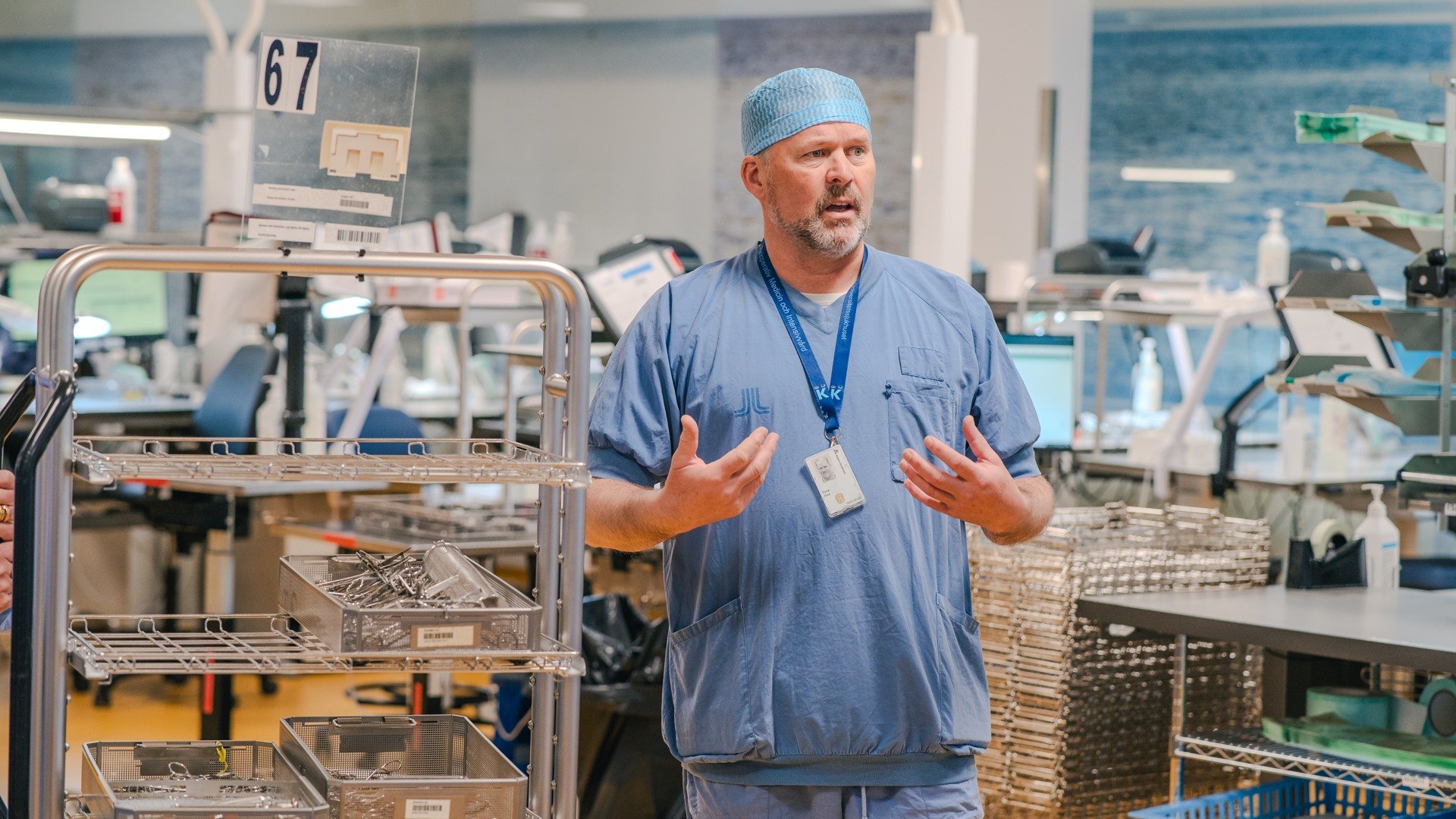
Participants also had the opportunity to see sustainability in practice, through a guided tour of Karolinska University Hospital. Green building design, smart logistics, waste management, textiles, and the handling of consumable products illustrated how environmental thinking can be woven into the fabric of daily hospital operations. The tour also included a visit to the therapeutic play unit and the child-friendly care ward at Astrid Lindgren Children's Hospital, offering a glimpse into how patient-centred design and thoughtful care environments are part of Karolinska's broader vision for a sustainable and equitable hospital.
In their own words
The urgency of that shift comes through clearly when you hear directly from those working on it every day. Three speakers from the conference share why sustainability in healthcare matters, and why acting together is the only way forward.
The momentum is here
What the day made clear is that momentum is real and growing. Across Europe, healthcare organisations are testing new models, sharing knowledge, and working together to move faster. The challenges are complex, but so is the collective expertise now turning to meet them.