Karolinska CEO featured in international healthcare spotlight
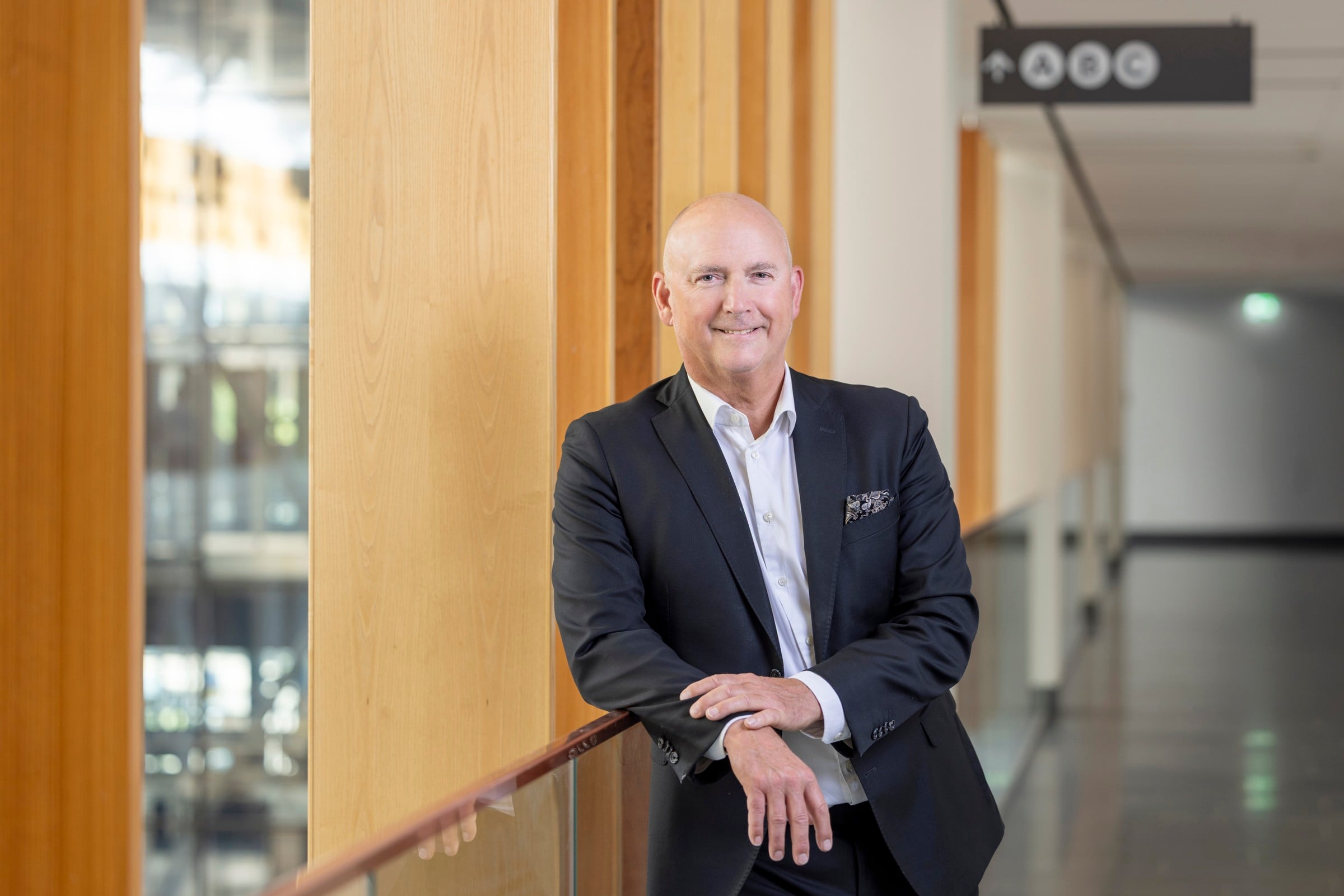
In the interview, Pedroletti describes Karolinska's role as "a resource for the whole of Sweden," taking on patients whose home regions cannot offer equivalent care. He points out that hospital care is only one part of the assignment, alongside close collaboration with Karolinska Institutet on education, research and innovation, and cooperation with hospitals across Europe and the Nordic region.
Asked about balancing highly specialized medicine with equitable access, Pedroletti stresses that effectiveness is never created within one hospital alone. Karolinska works closely with other hospitals in Stockholm as well as primary and municipal care, addressing the healthcare system as a whole rather than focusing narrowly on specialization.
The interview also highlights Karolinska's Advanced Therapy Medicinal Products (ATMP) Center, which brings university research, hospital care, startups and pharmaceutical companies together under one organizational platform, speeding the path from innovation to patient care. Pedroletti, a pediatrician by training, connects this work directly to patient outcomes: advances in cell and gene therapy mean that conditions untreatable a decade ago can now be addressed, and Karolinska aims to keep pace both clinically and in how these therapies are financed and made equitably available.
On technology, Pedroletti discusses Karolinska's development of a structured health-data platform as the foundation for research, innovation and AI adoption, and describes how AI and robotics are already reshaping care, from AI-supported operations planning that improves surgical scheduling, to minimally invasive procedures that let patients go home the same day.
Reflecting on what other European health systems could learn from Karolinska's model, Pedroletti points to the hospital's long-term investment in research and its Karolinska Institutet partnership, along with a deliberate move away from hierarchy toward multidisciplinary, patient-centered teams organized around care pathways rather than individual specialists.
Read the full interview at Investment Reports.