Astrid Lindgren Children's Hospital brings pediatric innovation to the world stage in Helsinki
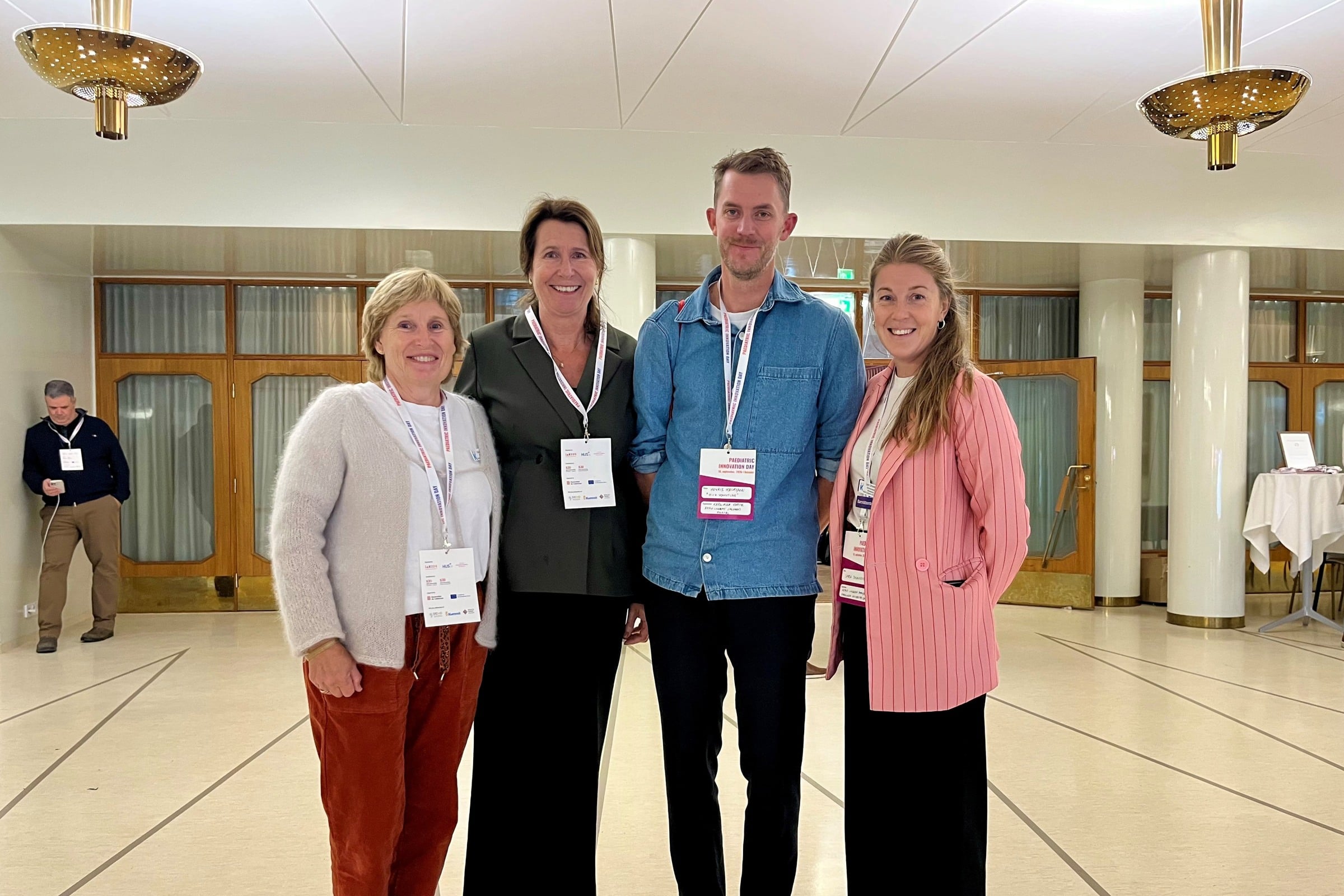
Specialist nurse Henrik Hjelmgren represented Sweden and Karolinska University Hospital at International Pediatric Innovation Day in Helsinki on 18 September, presenting the project The Stick Adventure in a competition showcasing innovative solutions to challenges in pediatric health care.
The project, one of five featured in the Paediatric Hospital Innovation Challenge 2026 Awards, uses a playful, child-centred approach, supported by digital and interactive tools, to help children better understand and cope with hospital procedures.
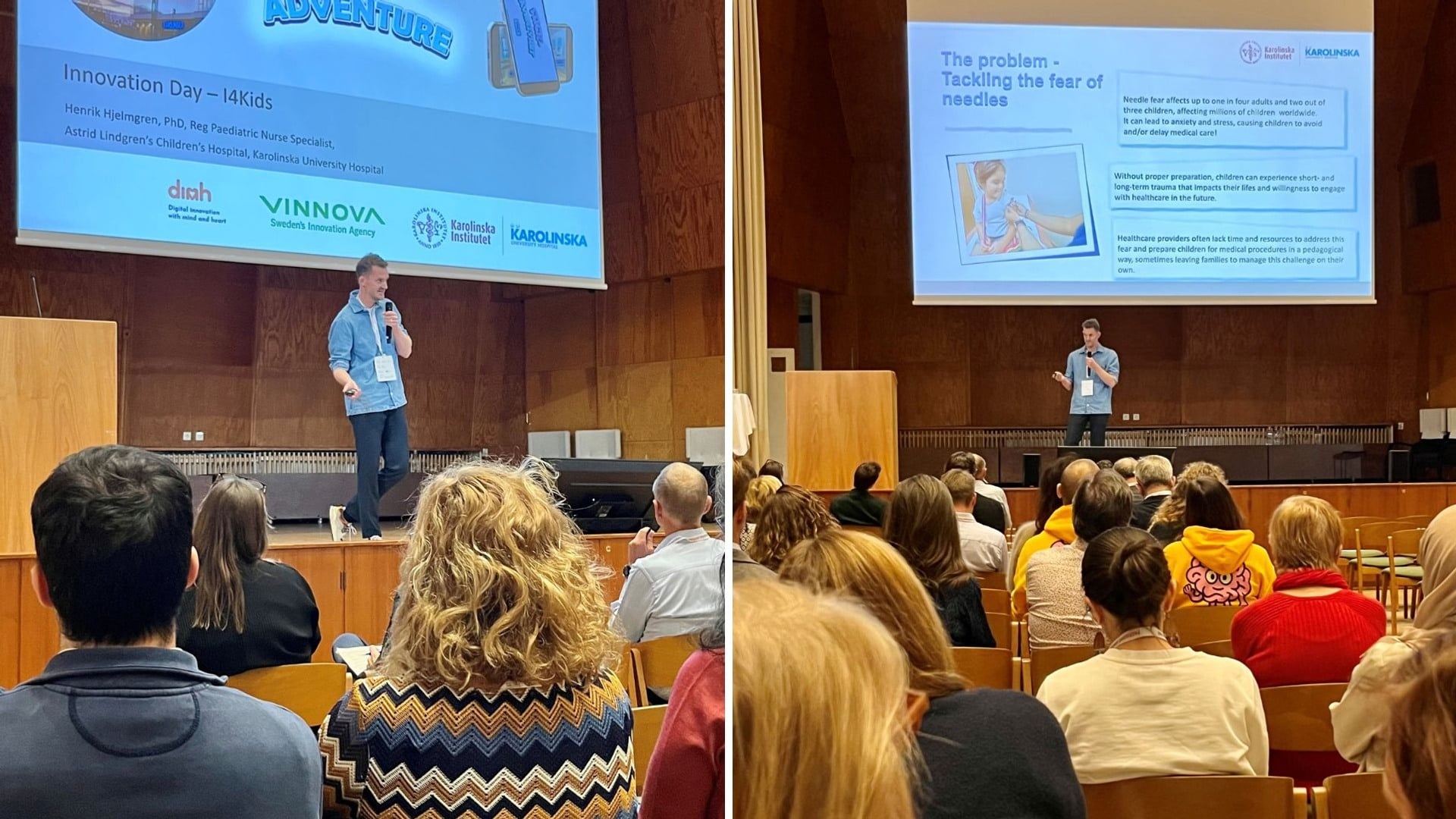
By taking part, Astrid Lindgren Children's Hospital, part of Karolinska University Hospital, showcased ongoing innovation work to an international audience of clinicians, researchers and industry partners, and contributed to the wider discussion on designing care that meets children's actual needs.
A hub for cross-border collaboration
The event was coordinated by i4Kids, a pediatric innovation hub led by Sant Joan de Déu Barcelona Children's Hospital. i4Kids works to identify and support innovation projects in pediatrics and maternity care across an international network of hospitals, universities and partners. Pediatric Innovation Day brings that network together through keynotes, panel discussions and case examples, giving clinicians and innovators a chance to exchange experiences and identify new opportunities.
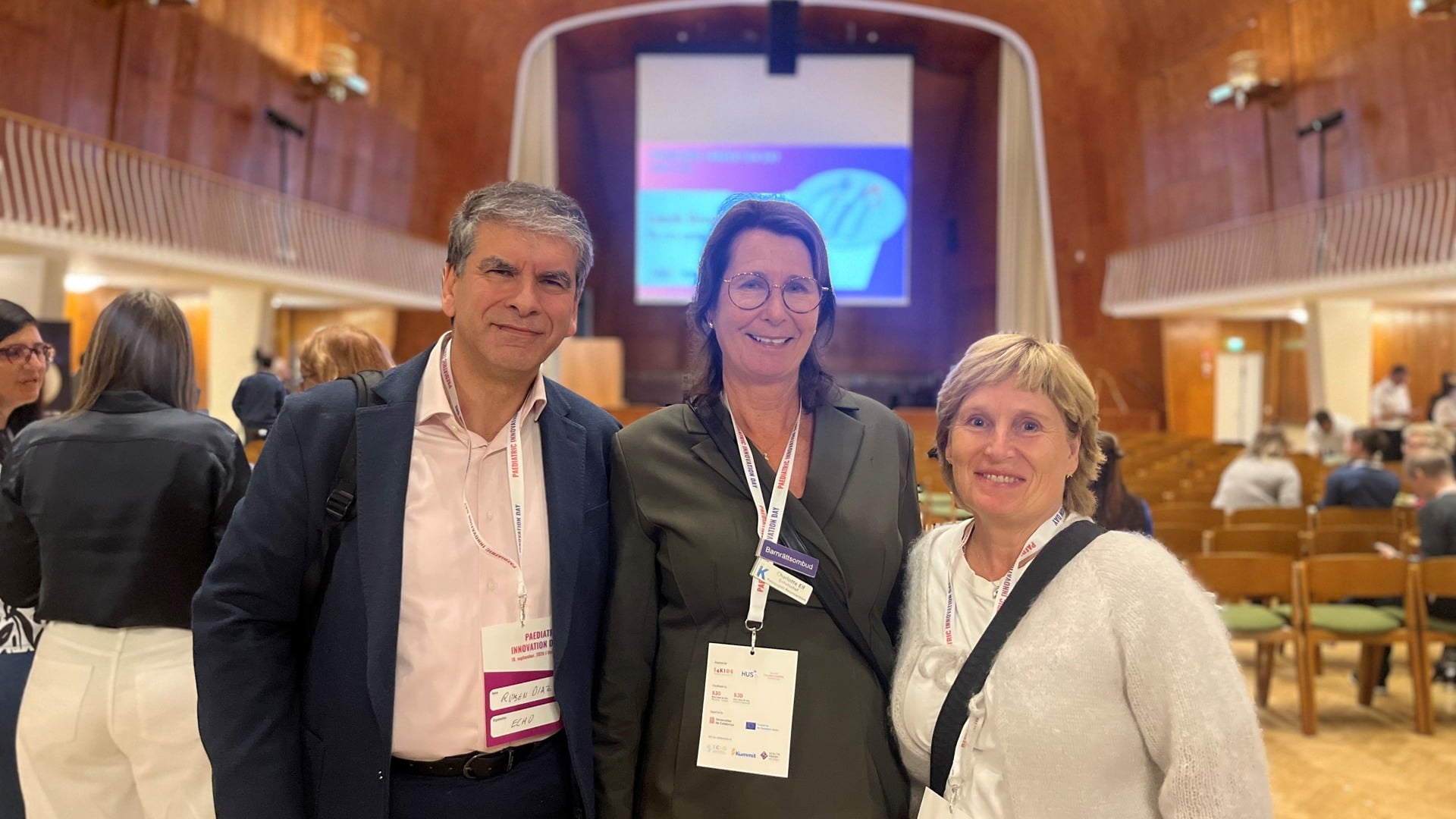
Astrid Lindgren Children's Hospital took part as Sweden's representative in the European Children's Hospitals Organisation (ECHO), one of the day's main partner networks. ECHO brings together leading children's hospitals across Europe to collaborate on improving pediatric care, patient experience and outcomes.
Relevance beyond Helsinki
The themes discussed in Helsinki are relevant to pediatric healthcare professionals more broadly. Many challenges in child health are shared across countries: rising rates of chronic conditions, growing mental health needs, health inequities, and the task of integrating digital technologies safely into clinical practice. Speakers pointed to a few approaches that help address these: multidisciplinary teams that include clinicians, data scientists and engineers; shared testbeds that make it easier to test and validate new solutions before wider rollout; and involving children, young people and families directly in developing tools meant for them.
For Karolinska, participating in international networks like i4Kids and ECHO provides access to ideas developed elsewhere, opportunities to test approaches across different health systems, and partnerships that can help bring evidence-based innovations into everyday care.