TETRIS aims to support more personalized care after radiotherapy for breast cancer
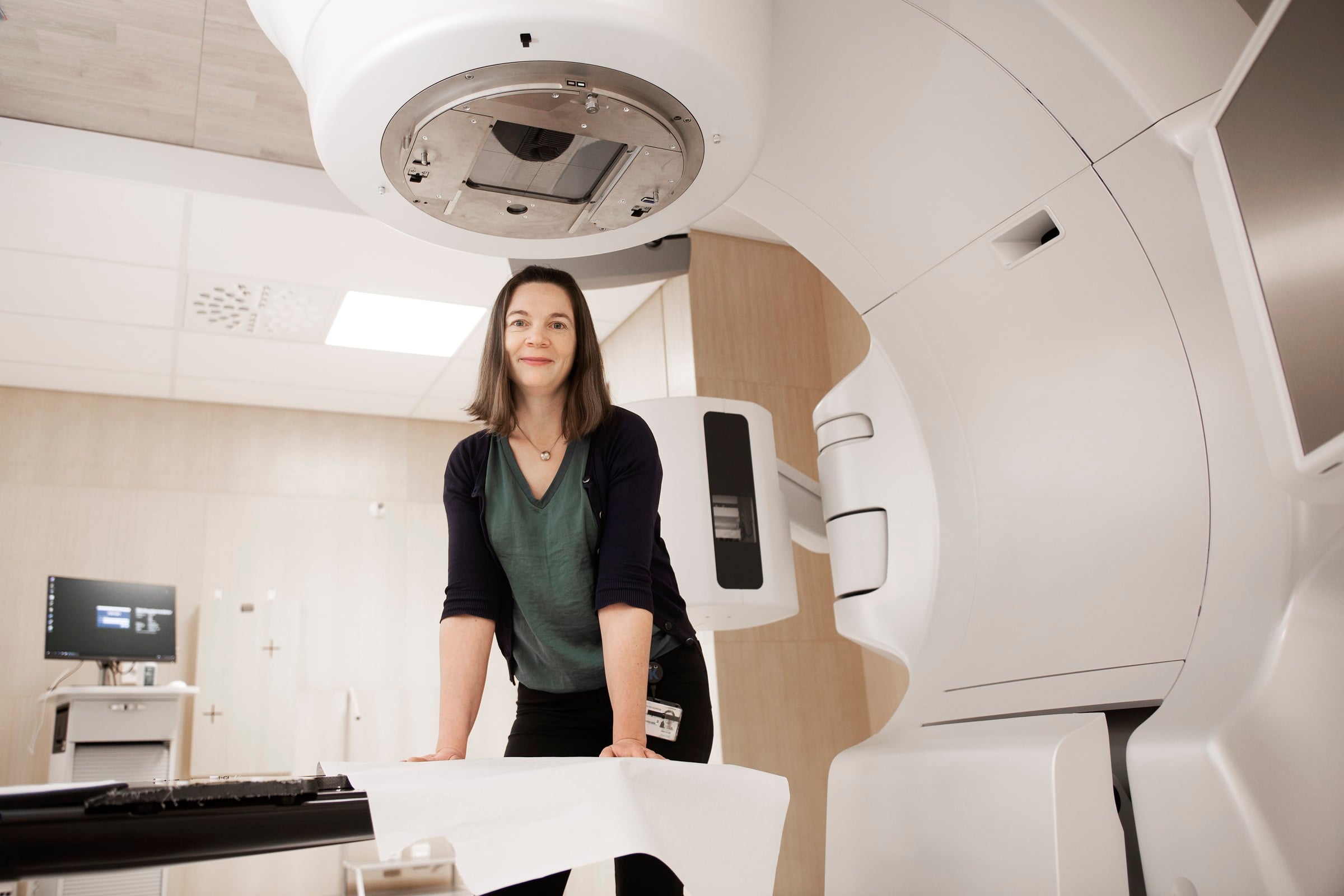
Radiotherapy is an important part of treatment for many patients with breast cancer. At the same time, radiation can affect healthy tissue and, in the long term, increase the risk of conditions such as heart disease, lung disease, and new tumors. The level of risk varies from person to person, and only a small proportion of breast cancer patients have an elevated risk.
In the EU-funded research project TETRIS, which is led by the National Cancer Institute in Milan, researchers and other experts from several European countries are working together to develop more accurate methods for assessing these risks. The goal is for health care providers to use individualized risk assessments when planning follow-up care after cancer treatment.
“This work is part of the shift toward more personalized cancer care, where research, clinical expertise, and patient data are used together to improve follow-up after treatment and the information provided to patients and primary care. Patients who have completed treatment have a great need for information and support in interpreting symptoms that can appear many years later,” says Eva Onjukka, associate professor and medical physicist at Karolinska University Hospital.
Multiple sources of information provide a more complete risk picture
A central part of TETRIS is combining different types of patient information. The researchers are examining how data on the planned and delivered radiation dose can be integrated with imaging as well as genetic and molecular data to improve risk assessment.
The project is developing and testing what are known as personalized risk models. In time, digital twins, virtual models that represent an individual patient, may also be used to simulate possible disease trajectories and examine how different risk factors affect a patient’s future health.
The aim is not to replace clinical judgment, but to provide additional evidence that can help health care professionals make better-informed decisions.
The goal is to identify rare but serious side effects
A more individualized risk assessment could help identify patients who need special attention after completing cancer treatment. In the long term, this could create better conditions for targeted follow-up and early intervention when needed.
“Ultimately, this is about enabling patients to live as good and as long a life as possible after cancer treatment, and accurate information plays a critical role in that, both for the individual and for the care provider. If we can identify individuals at elevated risk already at the time of treatment, we are better positioned to develop care and direct follow-up where it will do the most good,” says Onjukka.
European collaboration for the future of precision medicine
TETRIS brings together universities, hospitals, and other specialized partners from Sweden, Italy, Spain, and France. Among other contributions, Karolinska University Hospital is testing models for late side effects that will be integrated into a digital risk assessment tool.
The risk models must be validated before they can be used as established support in clinical care. At Karolinska University Hospital, Swedish national quality registries are used, which has made it possible to assemble a very large test cohort. This is essential for confirming the calculated risk of serious side effects that occur very rarely. Because breast cancer affects so many women, it is important to identify the proportion of patients who have an elevated risk.
In addition, fifty breast cancer patients receiving radiotherapy at Karolinska University Hospital will contribute to the development of digital twins, which is under way at Politecnico di Milano, a technical university. Every patient is different and may respond differently to the same treatment. By combining detailed information about the radiation dose with the patient’s individual characteristics, future models will become even more accurate.
“TETRIS is a cutting-edge research project with great potential to make a difference for patients. Through European collaboration, we can translate research findings into a digital tool for individualized follow-up after radiotherapy. It feels very meaningful for Karolinska University Hospital to be part of this development,” says Onjukka.
Text: Sara Kvarfordh