Nordic AI conference at Karolinska University Hospital marks starting point for stronger collaboration on the future of healthcare
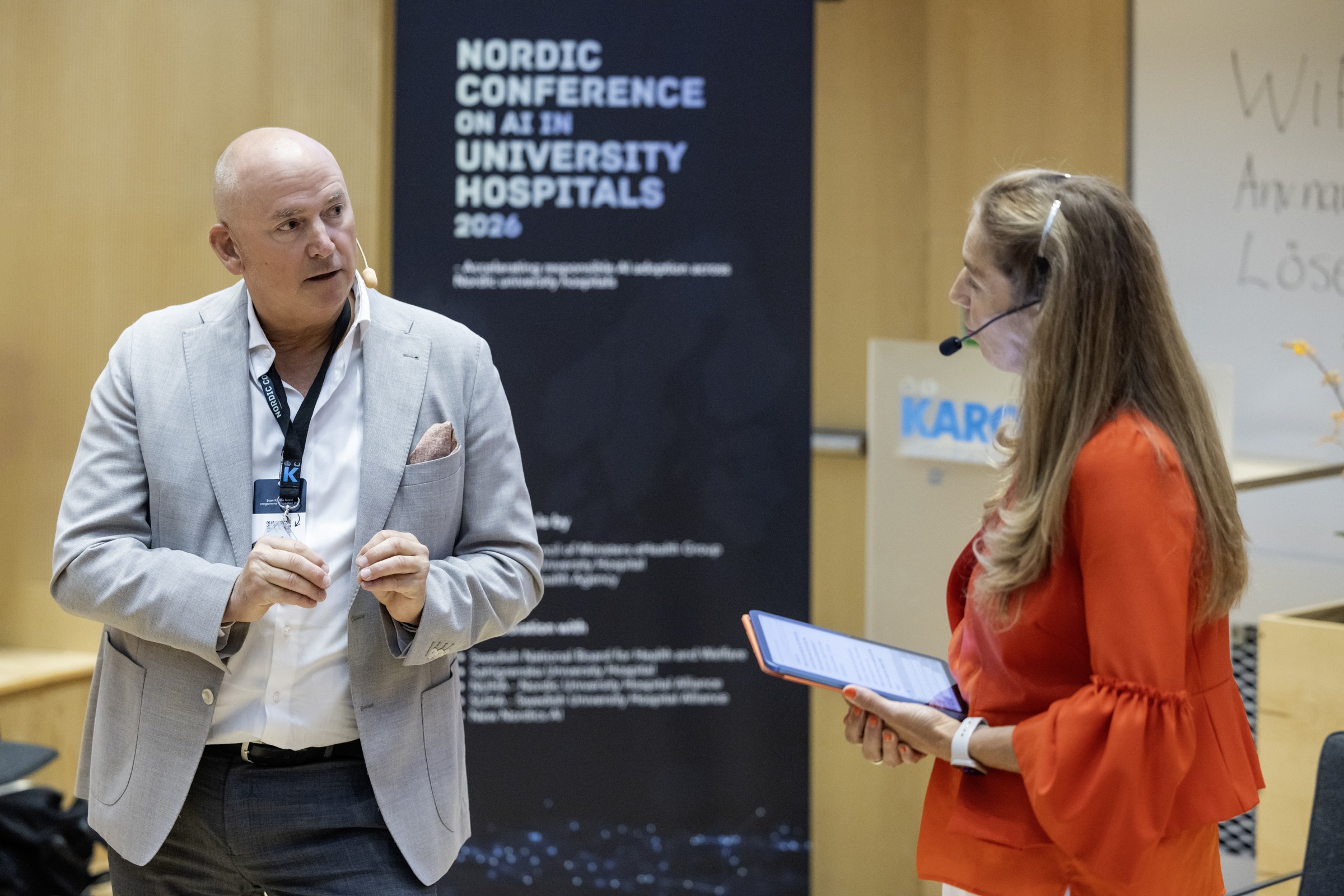
Hear directly from people who made this happen: "In their own words: why this conference mattered"
______________________________________
Over two days, participants discussed how artificial intelligence can move from individual pilot projects to responsible, large-scale use that delivers tangible benefits for patients, healthcare professionals and society.
University hospitals have a unique role to play in this development by bringing together advanced healthcare, research, innovation and education. The conference therefore focused less on the technology itself and more on how AI can be implemented and scaled up in a safe, effective and sustainable way, with leadership, governance and collaboration at the centre.
“As a university hospital, we have a responsibility both to develop and adopt new ways of working that strengthen the quality, accessibility and efficiency of healthcare. AI creates new opportunities for smarter and more patient-centred care, but to make the most of these opportunities, we need to work together. This conference is a unique opportunity to bring together Nordic experience, share knowledge, identify synergies and establish a common direction for how we can implement and scale up AI in healthcare. By informing, challenging and inspiring one another, we can accelerate AI development together and more quickly turn new opportunities into tangible benefits for patients,” says Christophe Pedroletti, CEO at Karolinska University Hospital and host of the conference.
From pilot projects to clinical impact
A recurring theme throughout the conference was the need to move from individual AI initiatives to solutions that can be widely adopted in clinical practice.
“It is not about developing AI for the sake of technology itself. The question is what value AI creates for patients, healthcare and society. We therefore need to move from individual pilot projects to solutions that can be widely used in clinical practice. Technology and knowledge are developing rapidly. The real challenge is to agree on ethical and legally sound ways of working that enable us to use AI responsibly in healthcare,” says Annemieke Ålenius, Senior Advisor at the Swedish eHealth Agency.
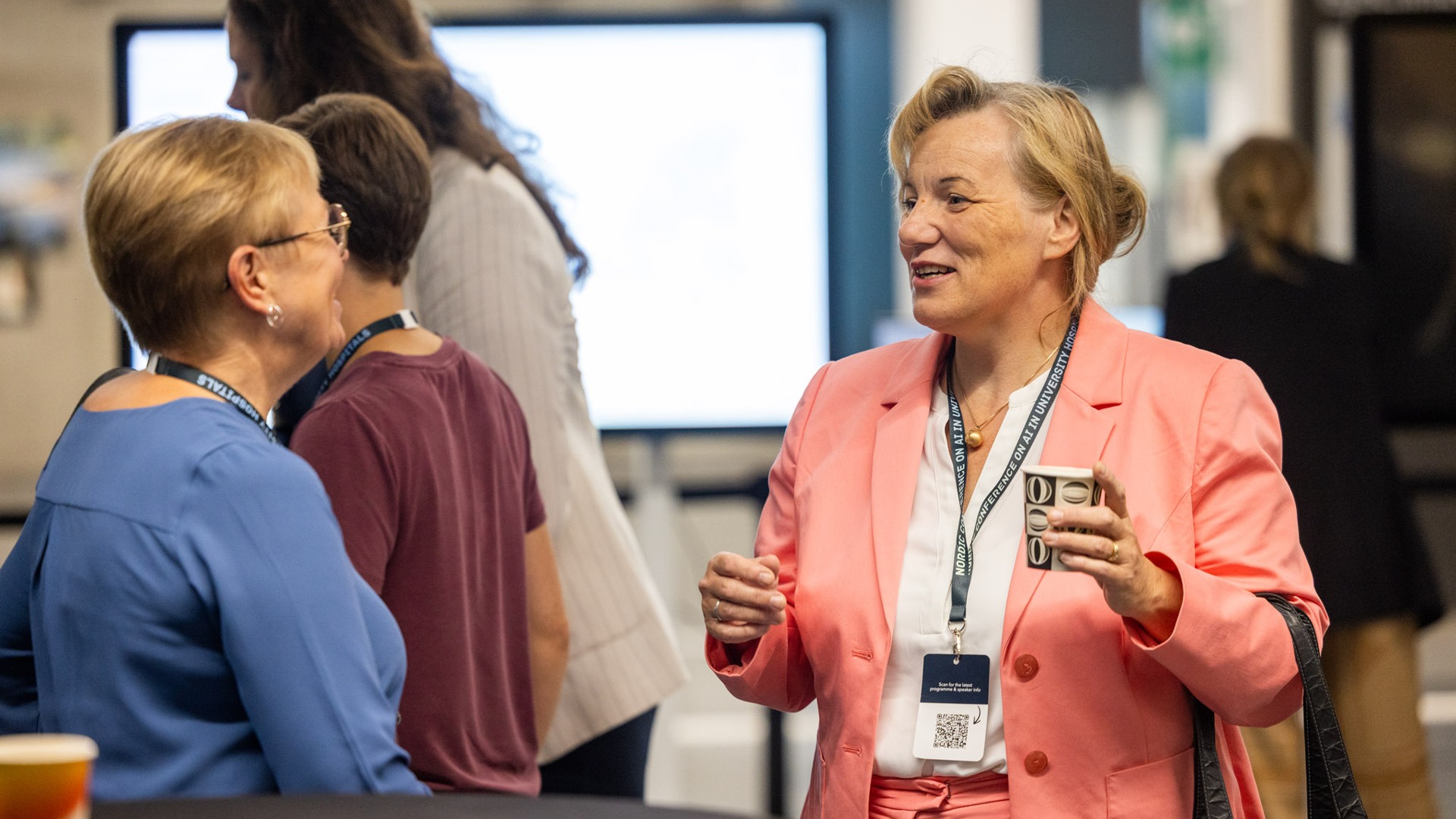
Participants were presented with concrete examples from university hospitals where AI is already being used in clinical practice, as well as experiences and approaches from organisations that are at an earlier stage of their AI journey.
A clear message was that the technology itself is not the greatest challenge. For AI to deliver real impact, the right conditions for implementation, clear leadership and robust structures for governance, monitoring and collaboration are also required.
The Nordic AI Health Map brings together Nordic AI initiatives
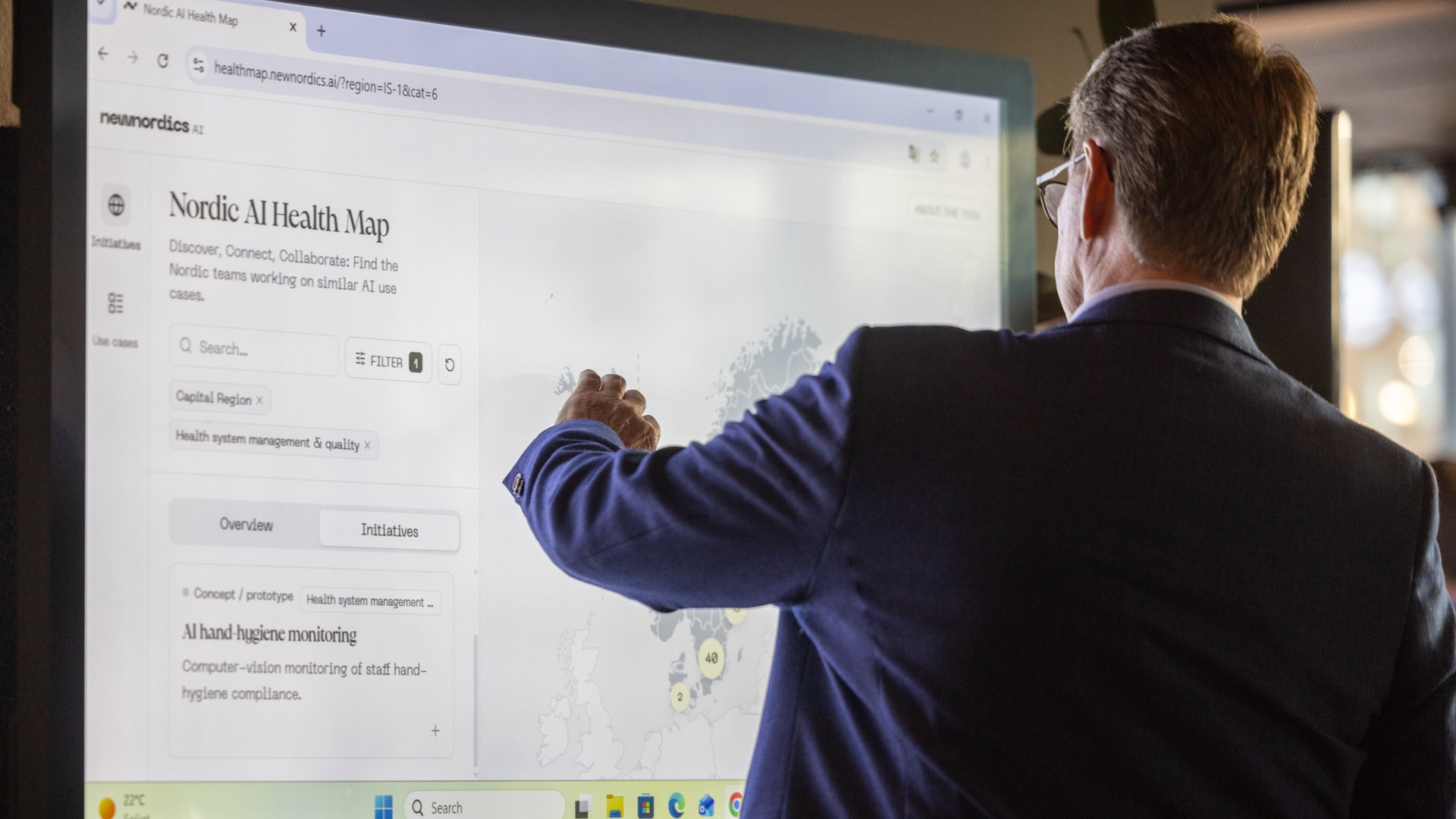
One of the key outcomes of the conference was the launch of The Nordic AI Health Map, the first comprehensive mapping of AI initiatives in healthcare across the Nordic countries.
“The map makes ongoing initiatives and solutions across different areas of healthcare more visible. The aim is not only to provide an overview, but also to make it easier for organisations to connect, share experiences and build on solutions that have already demonstrated results. In the long term, the map can help reduce duplication and make it easier to scale successful solutions across organisational and national borders,” says Lorna Bartram, AI Transformation Strategist – Healthcare at AI Sweden.
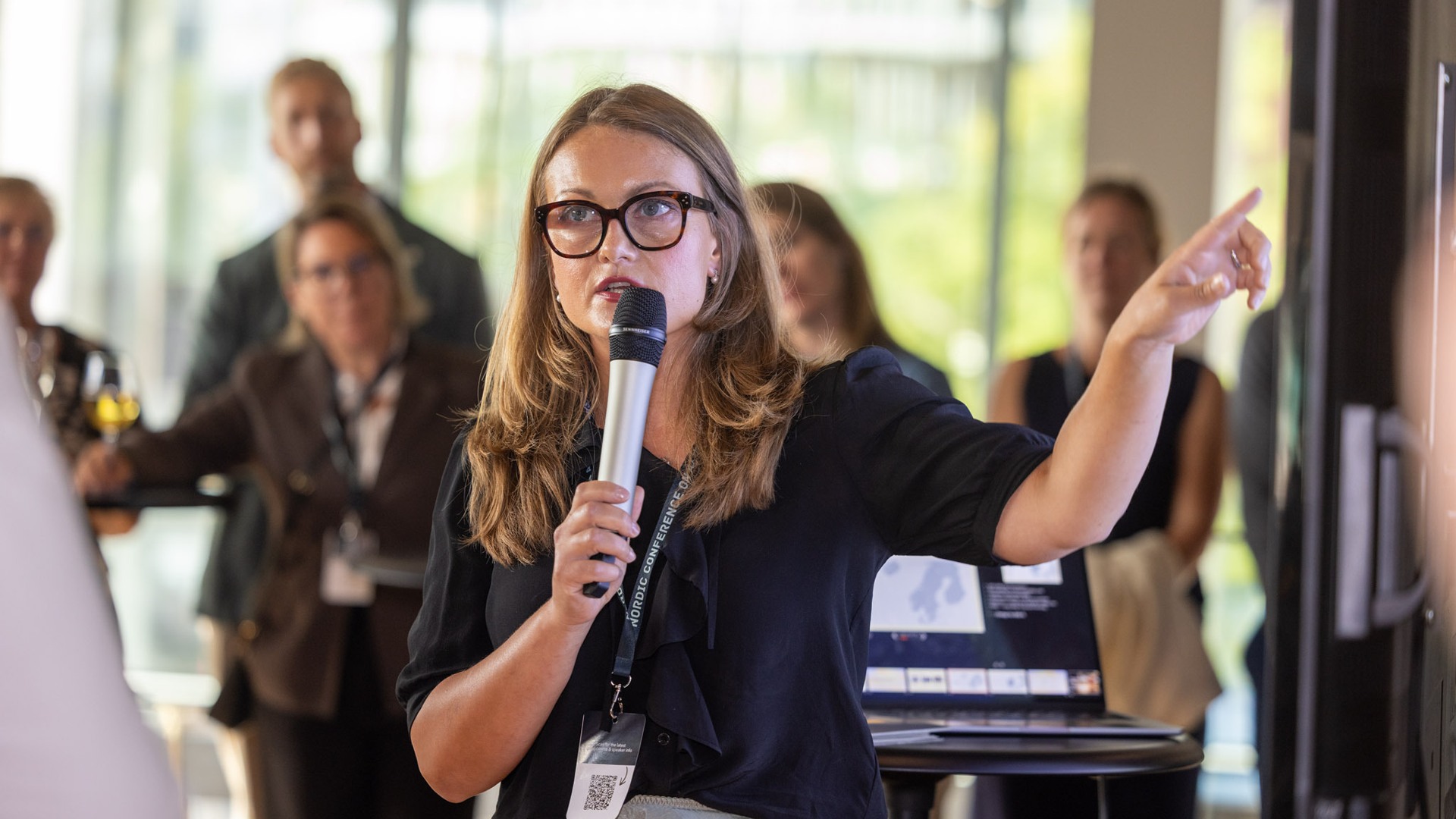
The Nordic AI Health Map will also help showcase the innovation taking place across Nordic healthcare and provide a clearer picture of the work underway throughout the region.
The Nordics aim to contribute to Europe’s AI development
Nordic collaboration is particularly relevant at a time when AI is developing rapidly and the EU is undertaking major initiatives and introducing new regulations, including the AI Act.
The Nordic countries share several favourable conditions for developing and using AI in healthcare. These include a high level of trust in public institutions, extensive health data, well-developed digital systems and a long tradition of collaboration between healthcare, research and the public sector.
By bringing together experiences and perspectives from several countries, the Nordics can also have a stronger voice in shaping European developments.
An important question discussed at the conference was therefore how the Nordic countries can jointly contribute to the implementation of the AI Act while creating the conditions for innovation and the responsible use of AI in healthcare.
International perspectives on AI in healthcare
The conference also had a strong international perspective.
Among the keynote speakers was Saila Rinne, Head of Artificial Intelligence in Health and Life Sciences at the EU AI Office, who spoke about European AI policy and the implementation of the AI Act.
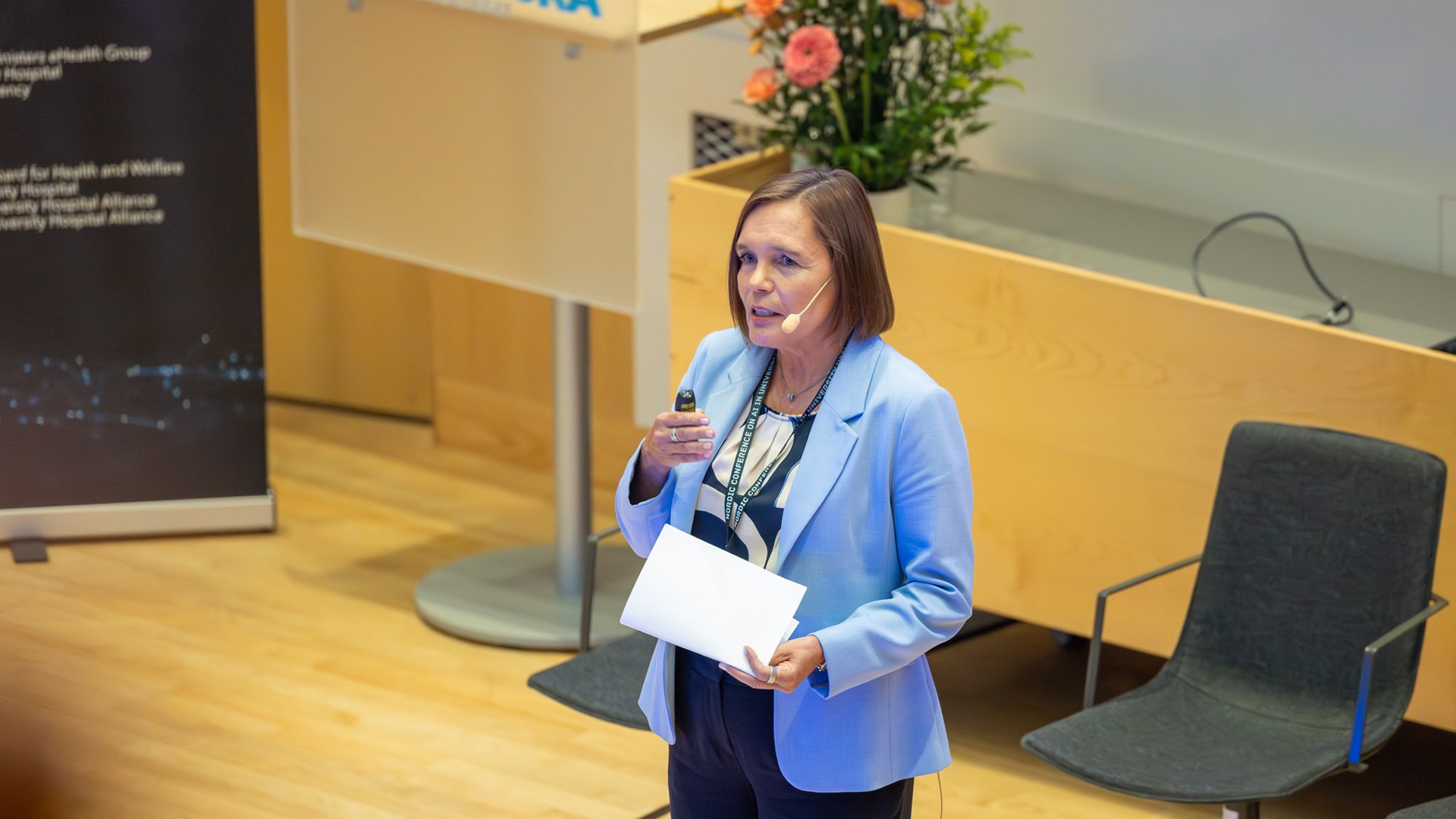
From Canada, Muhammad Mamdani, Professor and Director at the University of Toronto, shared insights from Canada’s work on AI in healthcare and how new solutions can be implemented in clinical practice.
"University hospitals are in a very unique position, because they tend to be the hubs for innovation. They have excellent clinicians, large patient populations, and innovations that drive the field forward. It is the ideas that come from the ground, where people are actually enabled to innovate, that really drive how things progress," says Mamdani.
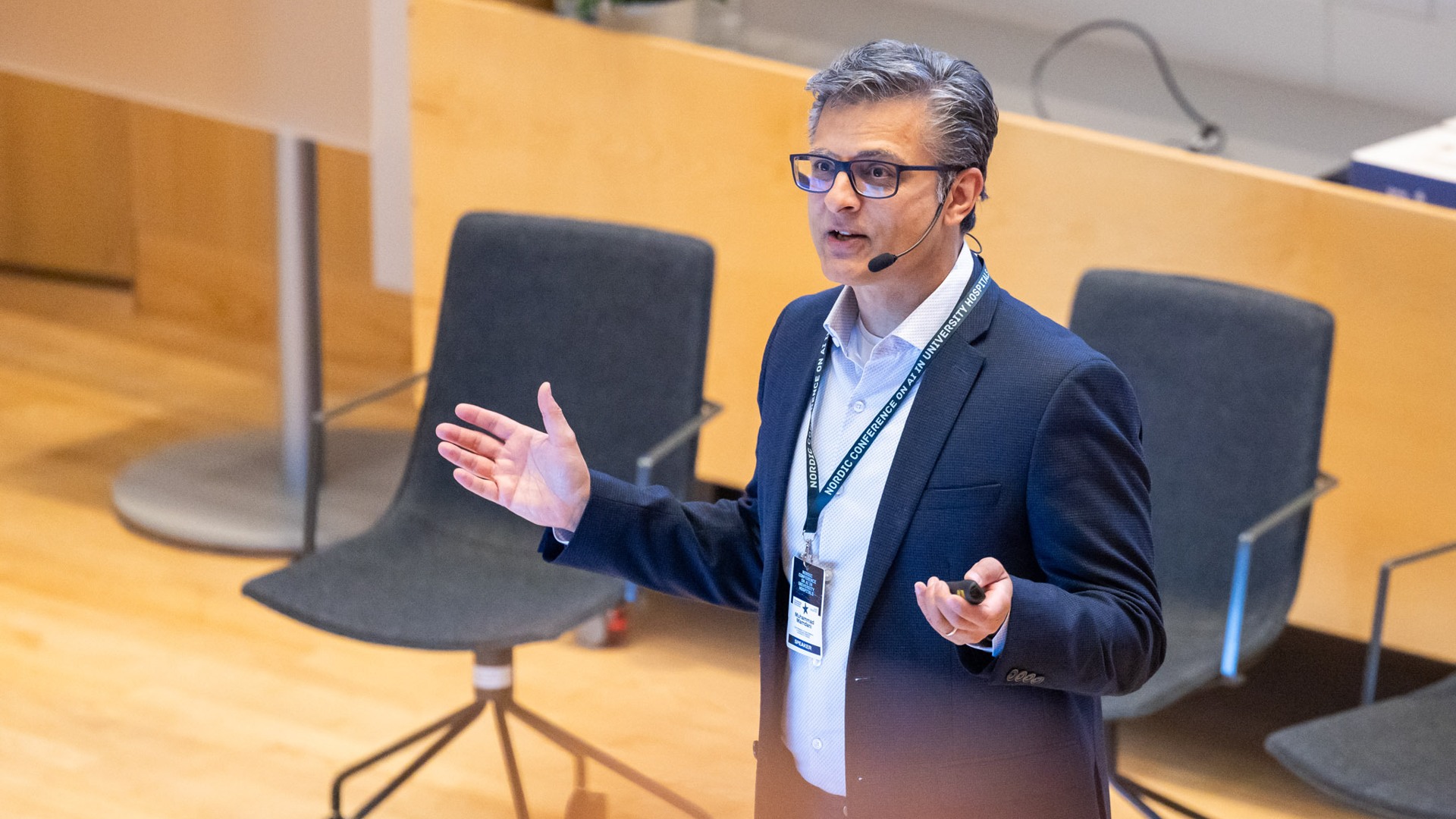
Together with experiences from Nordic university hospitals, these international perspectives contributed to a broad discussion on how healthcare can benefit from AI while ensuring patient safety, ethical and legal requirements, and quality.
A long-term Nordic collaboration
The conference was organised by the Nordic Council of Ministers eHealth Group, together with Karolinska University Hospital, the Swedish eHealth Agency and AI Sweden, in close collaboration with the Swedish National Board for Health and Welfare, Sahlgrenska University Hospital, the Nordic University Hospital Alliance (NUHA), the Swedish University Hospital Alliance (SUHA) and New Nordics AI.
The ambition is for the conference to become a recurring meeting place for university hospitals, government agencies, research organisations and other stakeholders working with AI and healthcare.
Next year’s conference will be held in Oslo. In the meantime, networks and working groups will continue the work of sharing experiences, identifying common challenges and developing concrete forms of Nordic collaboration.
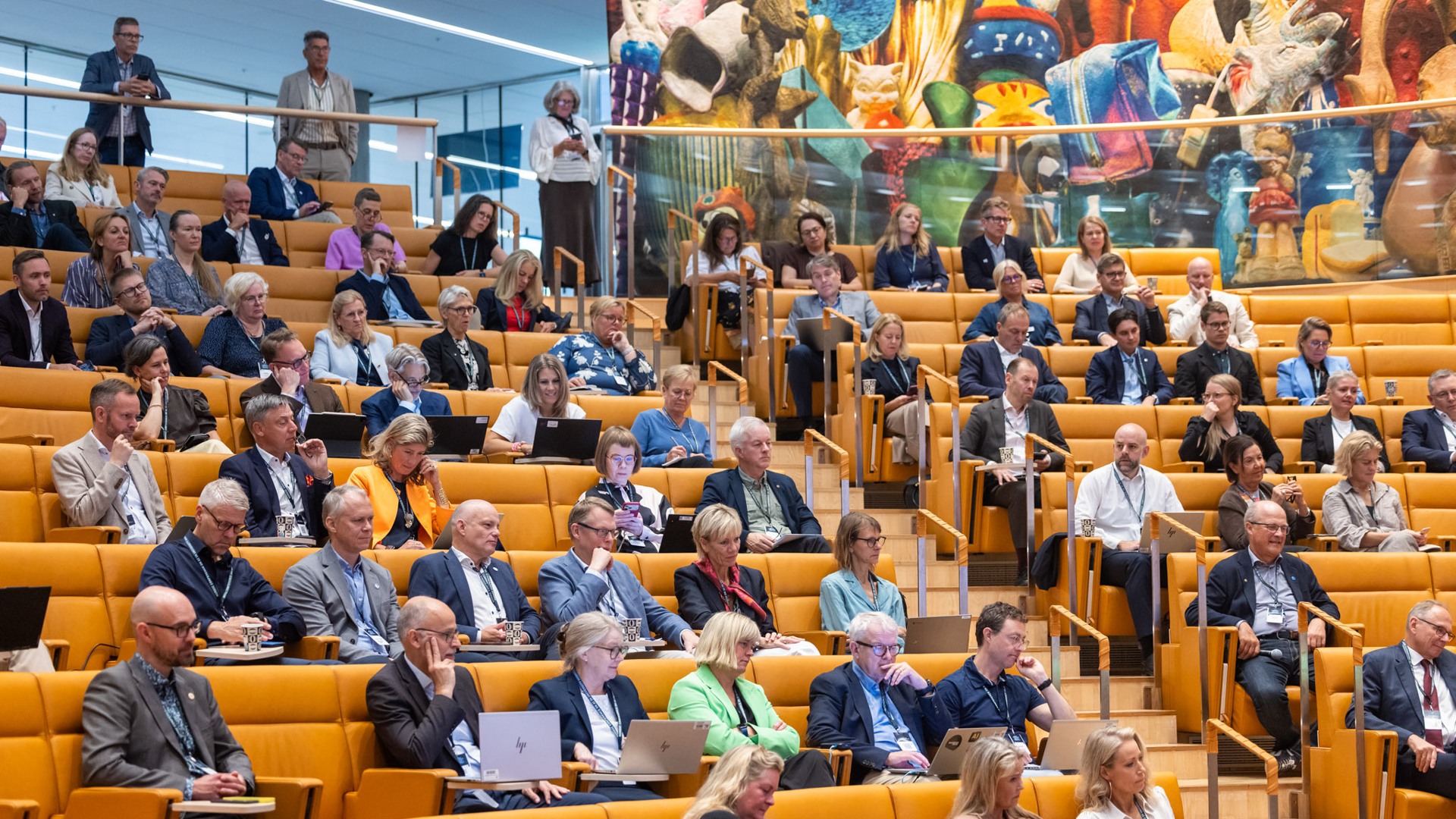
The first Nordic AI conference thus became more than two days of knowledge exchange. It created a shared platform for moving from pilot projects towards broader use of AI and for strengthening the Nordics’ ability to collectively contribute to the healthcare of the future.
Link to The Nordic AI Health Map: Nordic AI Health Map
In their own words: why this conference mattered
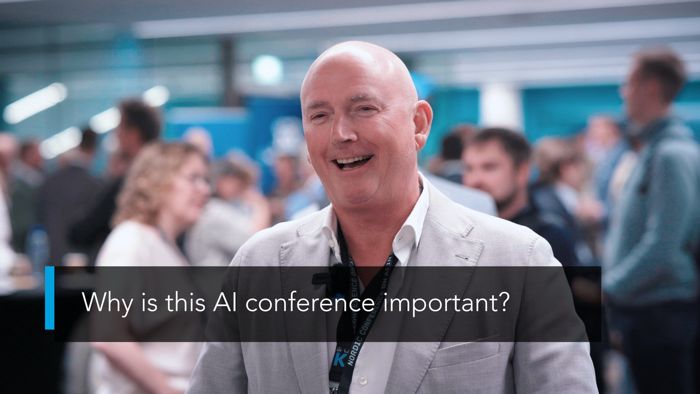
Film: Karolinska University Hospital.