Five Karolinska scientists ranked among the world’s most cited
Each year, Clarivate, the organization that compiles statistics on scientific publications presents a list of the most cited researchers globally. Only 1 in 1,000 researchers in medicine and social sciences make the list. Selection is based not only on how much a researcher publishes, but also on the significance of their findings and the impact their work has on patient care and the scientific field at large.
Here, five of the hospital’s employees featured on this year’s Clarivate list talk about their research.
___________________________
Petter Brodin
Specialist physician at the Pediatric Rheumatology Clinic at Astrid Lindgren Children’s Hospital, and Professor of Pediatric Immunology at the Department of Women’s and Children’s Health, Karolinska Institutet.
Congratulations! Tell us, what do you study, and how can it help patients?
“I study the immune systems of children – how these systems develop early in life and how they are regulated in various diseases.”
Now you’re on the list of the world’s most cited researchers. Why do you think your name appears so often?
“Because we’re world-leading. We were the first to successfully study children’s immune systems with enough resolution to understand when and how the immune system is shaped early in life, something that determines the risk of developing many diseases, such as allergies, autoimmune disorders, and asthma.”
What do you hope above all to discover in your future research?
“If we truly understand how an individual’s immune system is regulated, new opportunities open up to modulate it in all diseases where immunity plays a role, from infections to cancer to inflammatory conditions in both young and elderly patients.”
What makes a good day at work
“In my clinical work, a good day is when we figure out what drives a child’s inflammatory disease and find the right treatment that leads to clear improvement. That’s an incredible feeling. In my research, a good day is when new results make everything fall into place – when hypotheses are strengthened or clearly disproven, and we finally understand something we’ve wondered about for a long time. That’s also an incredible feeling.”
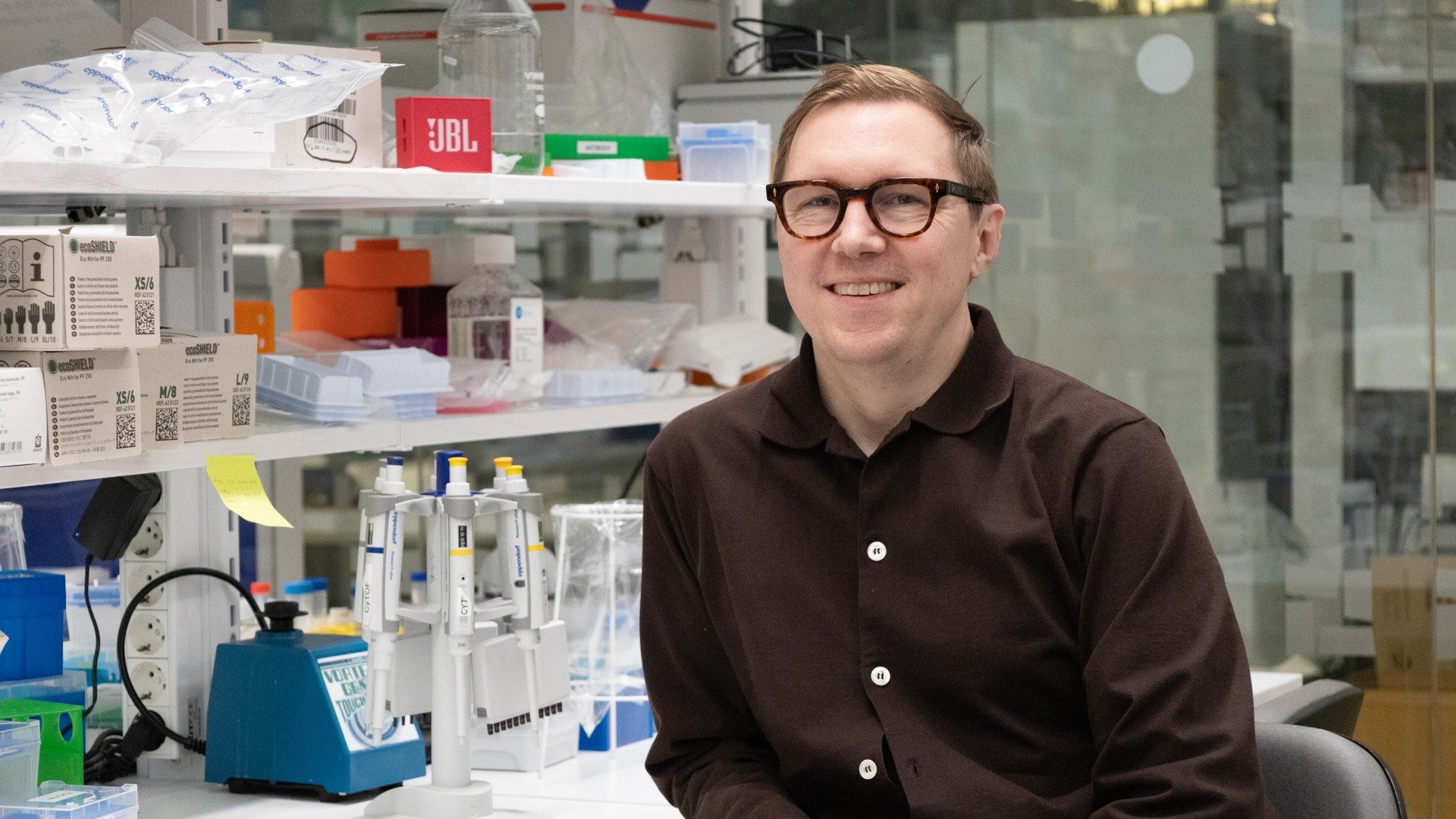
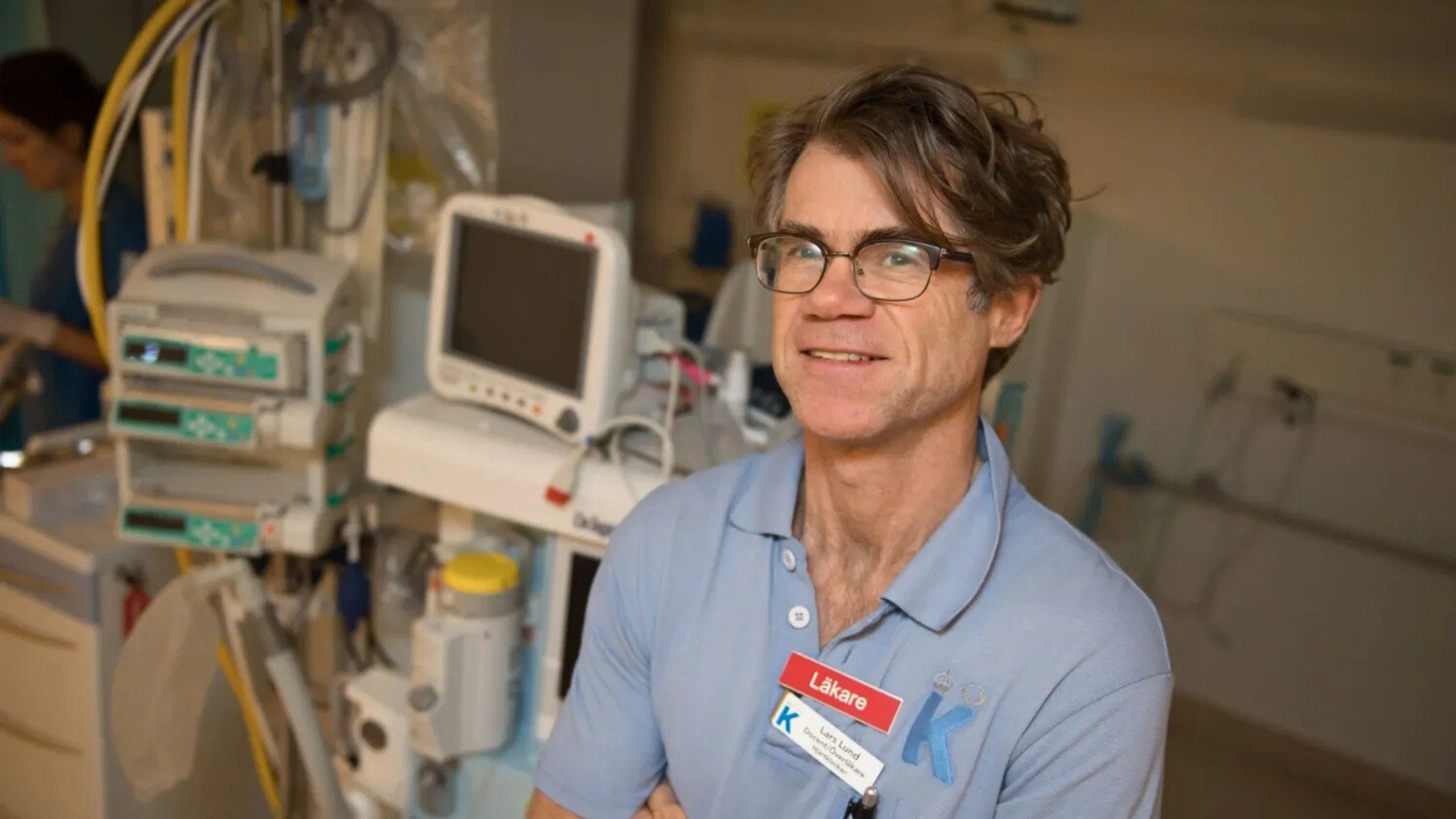
Lars Lund
Senior consultant at the Cardiology unit at Karolinska University Hospital, and Professor of Cardiology at the Department of Medicine, Karolinska Institutet.
Congratulations Lars! What do you study, and how can it help patients?
“I study heart failure. And not everyone knows this, but there are two types of heart failure—one caused by weakened heart muscle and one caused by a stiff heart muscle. I study causes, mechanisms, and potential new treatments for both types.”
“Heart failure is both common and serious. Today, 300,000 people in Sweden are affected, and 50,000 new patients are diagnosed every year. It is the most common cause of hospital admission, quality of life is very poor, and mortality risk is high. If I can develop a new treatment, I can make a major difference for many patients.”
Why do you think your name appears so often?
“My team and I have identified a new mechanism behind heart contractions and, through this discovery, developed a new drug treatment for heart failure patients with weakened heart muscle. The treatment is now being evaluated in large clinical trials.”
“We were also the first to describe causes and disease progression in heart failure due to stiff heart muscle—knowledge that forms the foundation of today’s rapid development of new treatments for this type of heart failure.”
What do you hope to discover next?
“I hope the new drug we’ve developed will be shown to reduce mortality and hospitalizations in heart failure. That would be hugely significant for this common and serious disease.”
Per Ljungman
Acting senior consultant at the Infectious Diseases unit, where he conducts clinical trials.
He is also affiliated with the Cell Therapy and Allogeneic Stem Cell Transplantation unit, where he has conducted extensive research, and holds the title of Professor Emeritus at the Department of Medicine, Karolinska Institutet, Huddinge.
Congratulations, tell us about your research!
“My research focuses mainly on viral infections in highly immunocompromised patients. In particular, those who have undergone an allogeneic stem cell transplant, where diseased or damaged blood-forming tissue—such as in patients with acute leukemia or other blood cancers—is replaced with healthy donor stem cells to restore the body’s ability to produce blood cells.”
“Right now, I’m involved in a clinical trial on an interesting new vaccine targeting a tick-borne virus called Crimean-Congo hemorrhagic fever virus. It is currently being tested on healthy volunteers.”
You’ve now earned a place on the list of the most cited researchers in the world, why do you think that is?
“I’ve been active for many years in a field that has developed rapidly. Much of my recent work has focused on the COVID-19 pandemic and its impact on the patient group I study. I’ve also been active internationally in groups developing guidelines to prevent and treat infections such as SARS-CoV-2 and Cytomegalovirus (CMV), and that certainly plays a role.”
What do you hope to uncover next?
“Most importantly, that we are prepared for the next pandemic—which will come, without a doubt. Lessons learned in the past have unfortunately been forgotten quickly, and we cannot allow that to happen again.”
Lars Engstrand
Senior consultant at the Clinical Pathology and Cancer Diagnostics unit at Karolinska University Hospital, and Professor of Infectious Disease Control, specializing in clinical bacteriology, at the Department of Microbiology, Tumor and Cell Biology (MTC), Karolinska Institutet.
Congratulations! What do you study, and how can it help patients?
“My group studies the microbiome, the gut flora, and its role in health and disease. We hope our research can help develop treatments for many patient groups in which the microbiome plays a role in disease.”
Why do you think your name appears so often?
“Research on the microbiome’s importance in health and disease is a ‘hot’ area that many follow closely. We have studied this for many years and published articles in journals read by both basic scientists and clinically active researchers.”
What do you hope to discover next?
“How we can effectively alter the microbiome in disease, for example in certain cancers, to improve today’s therapies, especially immunotherapy. We also want to study which factors negatively affect the microbiome, increasing the risk of developing certain diseases.”
What makes a good day at work?
“When our translational research is recognized by clinical colleagues who want to collaborate on clinical studies that may bring significant benefits for patients.”
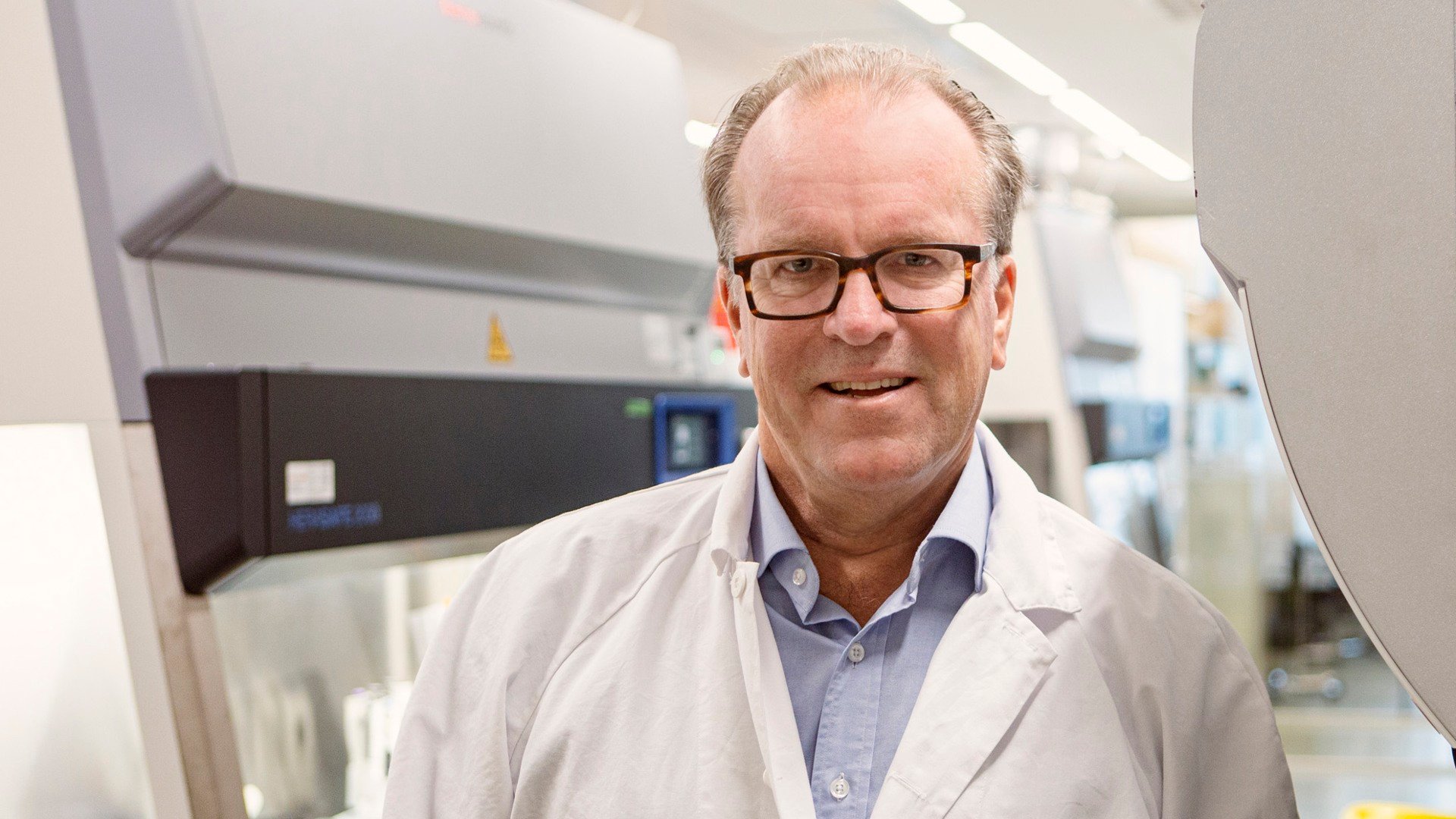
Hans-Gustaf Ljunggren
Researcher and physician at the Infectious Diseases unit at Karolinska University Hospital, and Professor at the Department of Medicine, Karolinska Institutet.
Congratulations! How can your research help patients?
“Our research aims to understand the role of the immune system in severe infectious diseases and cancer. Much of the knowledge we generate is used to develop new treatment strategies for these conditions.”
Why do you think you’ve been cited so often?
“Hopefully, it means our research is important and attracts significant interest internationally.”
What do you hope to discover next?
“It’s very much about continuously developing better ways to prevent and treat serious diseases, for example, creating new vaccination strategies for infectious diseases and new immunotherapies for cancer.”
What makes a good day at work?
“Almost every day is a good day, as long as administrative tasks don’t take over too much.”
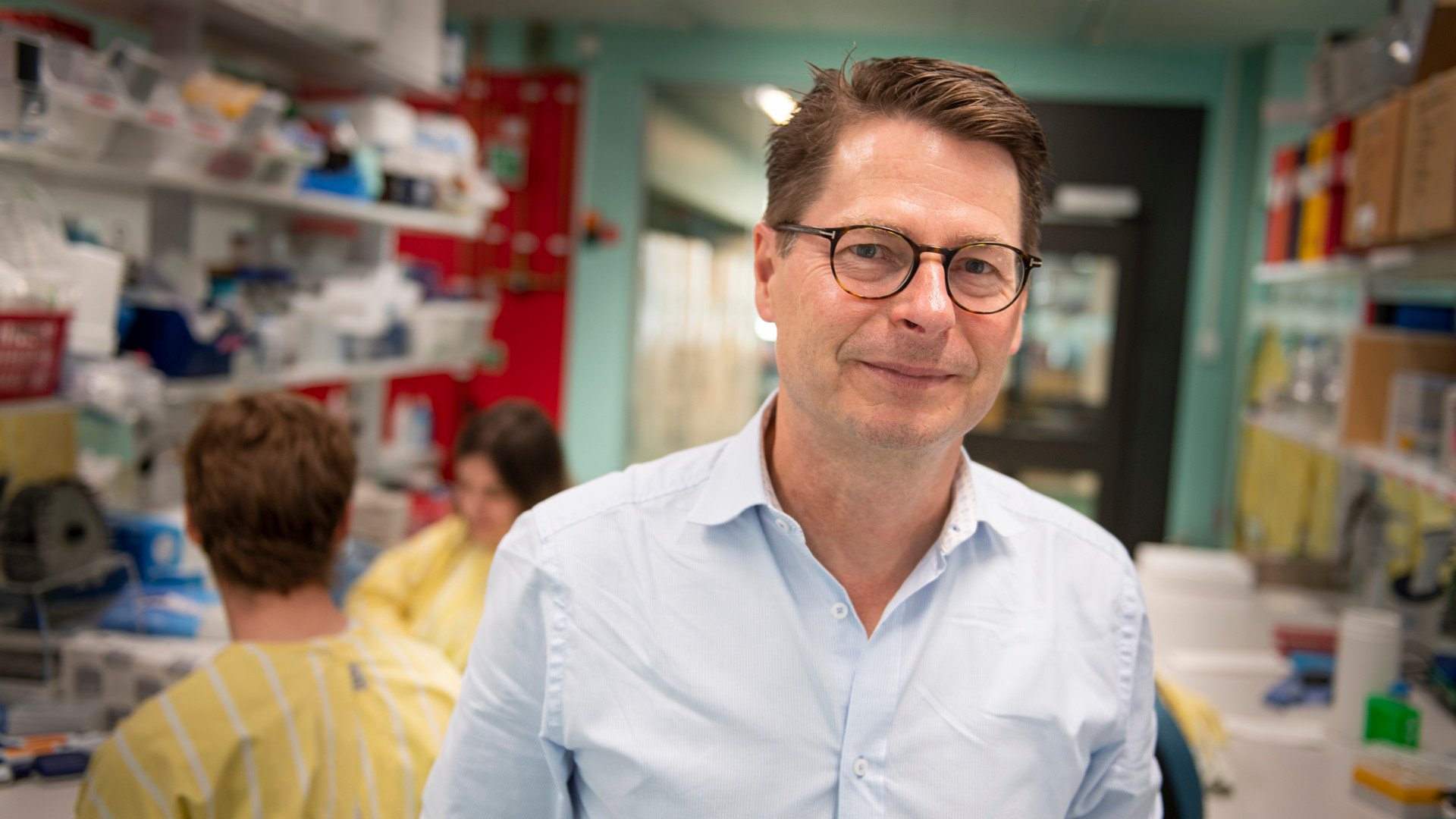
More about research at Karolinska University Hospital
Research is a cornerstone of Karolinska University Hospital’s mission, with a strong focus on patient-centered clinical research. Through research, we can develop future healthcare, create better treatments, and gain knowledge that may even prevent illness altogether. Research is conducted within the hospital’s medical units as well as in research centers located on-site.
Facts and figures
- Researchers can be found across many hospital professions, from physicians and nurses to occupational therapists and psychologists.
- Around 130 professors/lecturers and 50 adjunct professors/lecturers from Karolinska Institutet work in the hospital’s clinical environment.
- Nearly 1,700 clinical studies are underway or in planning.
- Together with patients and the public, we constantly fill knowledge gaps, develop new treatments, and move healthcare forward.